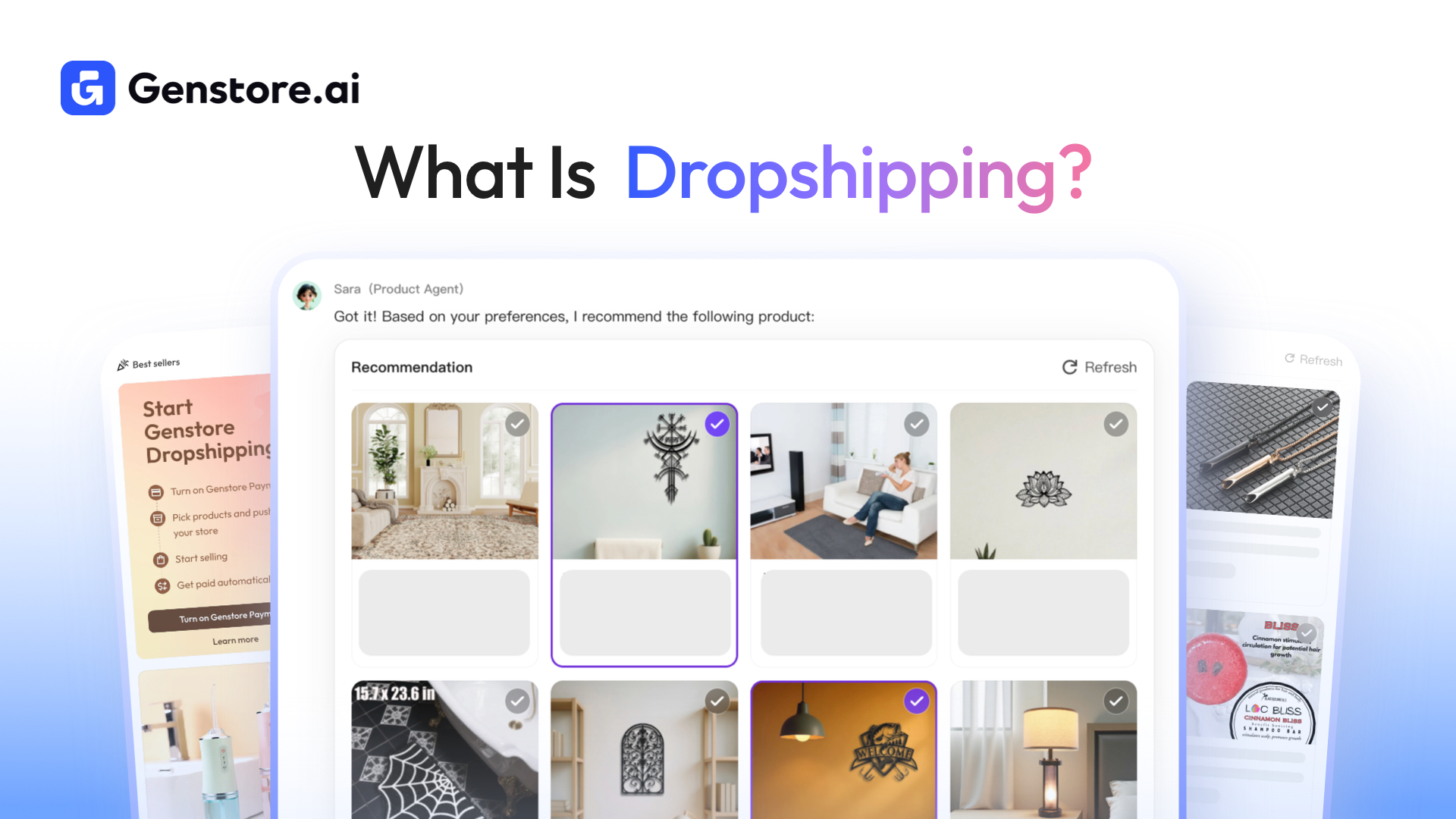
If you are exploring ecommerce for the first time, dropshipping is likely one of the first models you encounter. It is often presented as a low-cost, fast way to launch an online business.
That positioning is not wrong, but it is incomplete.
To decide whether dropshipping is right for you, you need to understand not just what it is, but how it actually works, where it breaks down, and how people are making it work today.
What Is Dropshipping
Dropshipping is a fulfillment model where you sell products without holding inventory.
Instead of buying stock upfront, you partner with a supplier. When a customer places an order, the supplier ships the product directly to them. You operate the storefront and handle the customer journey, while the supplier handles logistics.
This model has scaled rapidly in recent years. The global dropshipping market reached around $365 billion in 2024 and is expected to grow at over 22 percent annually through 2030.
The appeal is straightforward. It removes one of the biggest barriers in ecommerce: upfront inventory risk.
How Dropshipping Actually Works
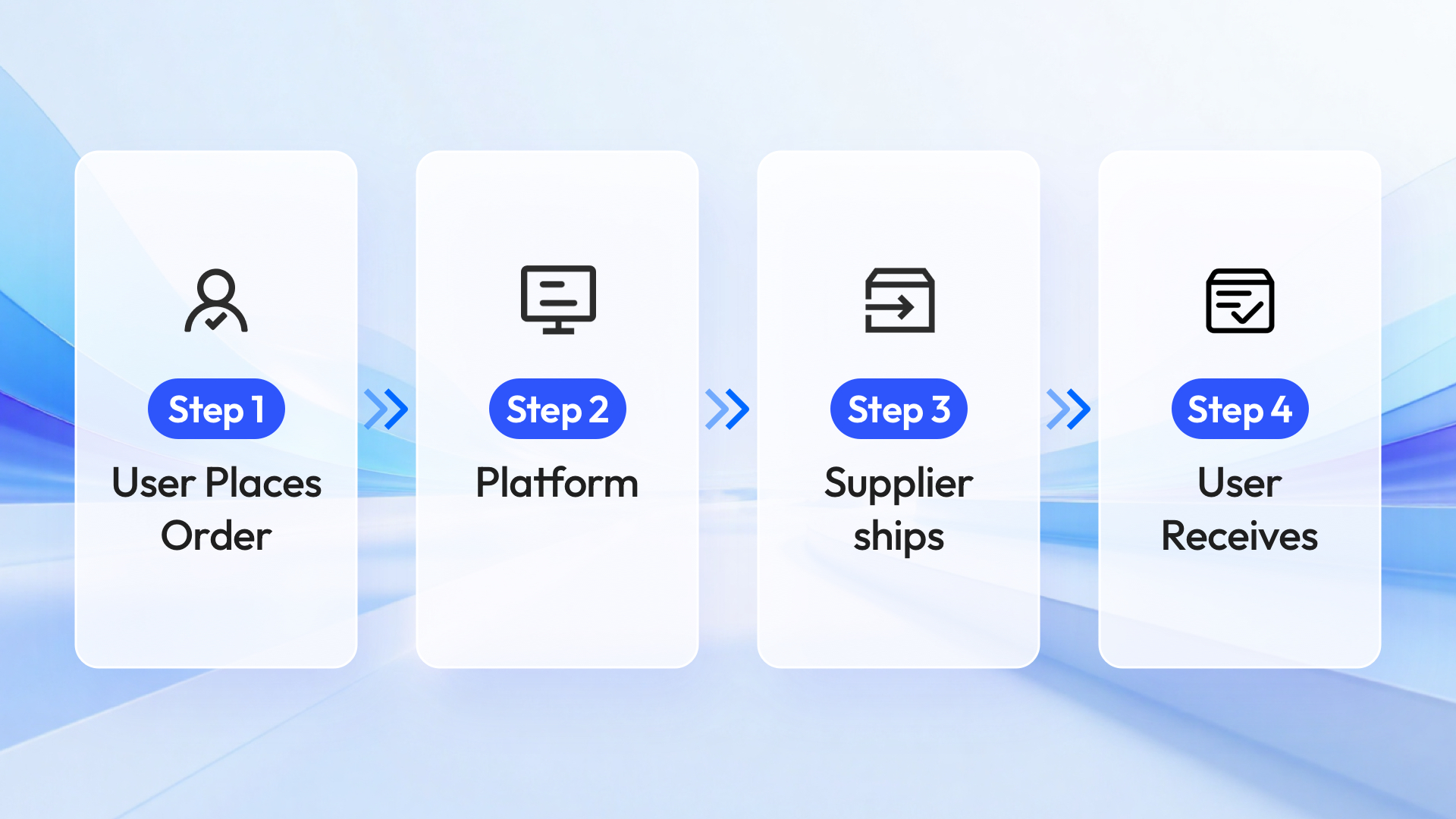
At a high level, the process is simple, but each step matters more than it looks:
● You build an online store and list products from a supplier
● A customer places an order on your site
● You forward the order to the supplier
● The supplier ships directly to the customer
● You keep the margin between retail price and supplier cost
What most beginners underestimate is how fragmented this process can become. You are often stitching together multiple tools just to get a store running.
This is exactly where newer AI-native platforms are changing the workflow. Instead of manually sourcing products and connecting suppliers, tools like Genstore streamline this by letting you launch a store with built-in product sourcing and fulfillment from day one.
If you want to see how a modern setup looks in practice, this guide walks through it:
Dropshipping vs Traditional Ecommerce
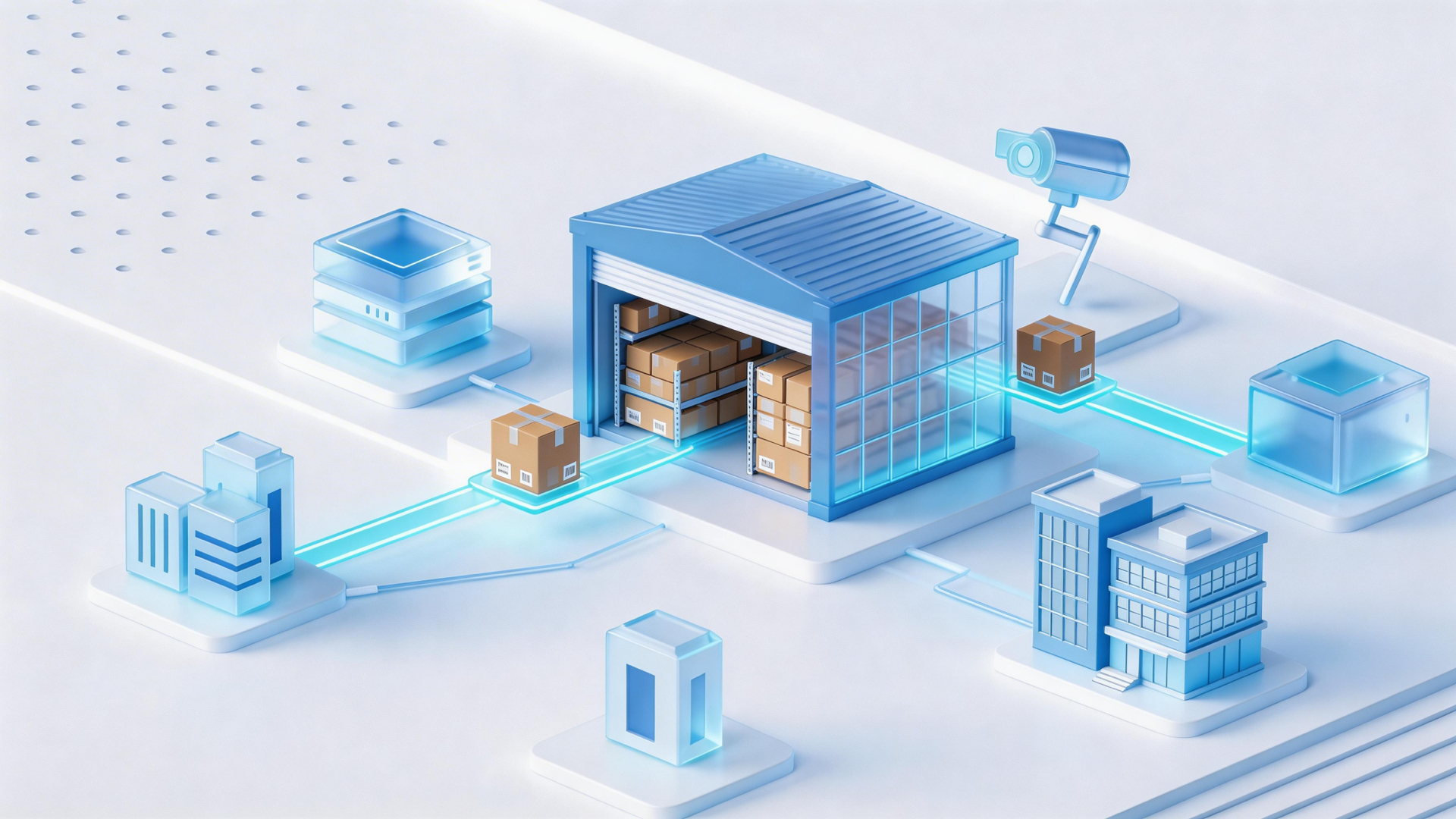
The core difference comes down to inventory ownership and control.
Traditional ecommerce
● Buy inventory upfront
● Manage storage and fulfillment
● Higher upfront cost, higher control
Dropshipping
● No inventory required
● Supplier handles fulfillment
● Lower risk, but less control
This tradeoff is why many founders start with dropshipping and then transition. Once they find a product that sells, they move into bulk purchasing or private labeling to improve margins and control.
Why People Start With Dropshipping
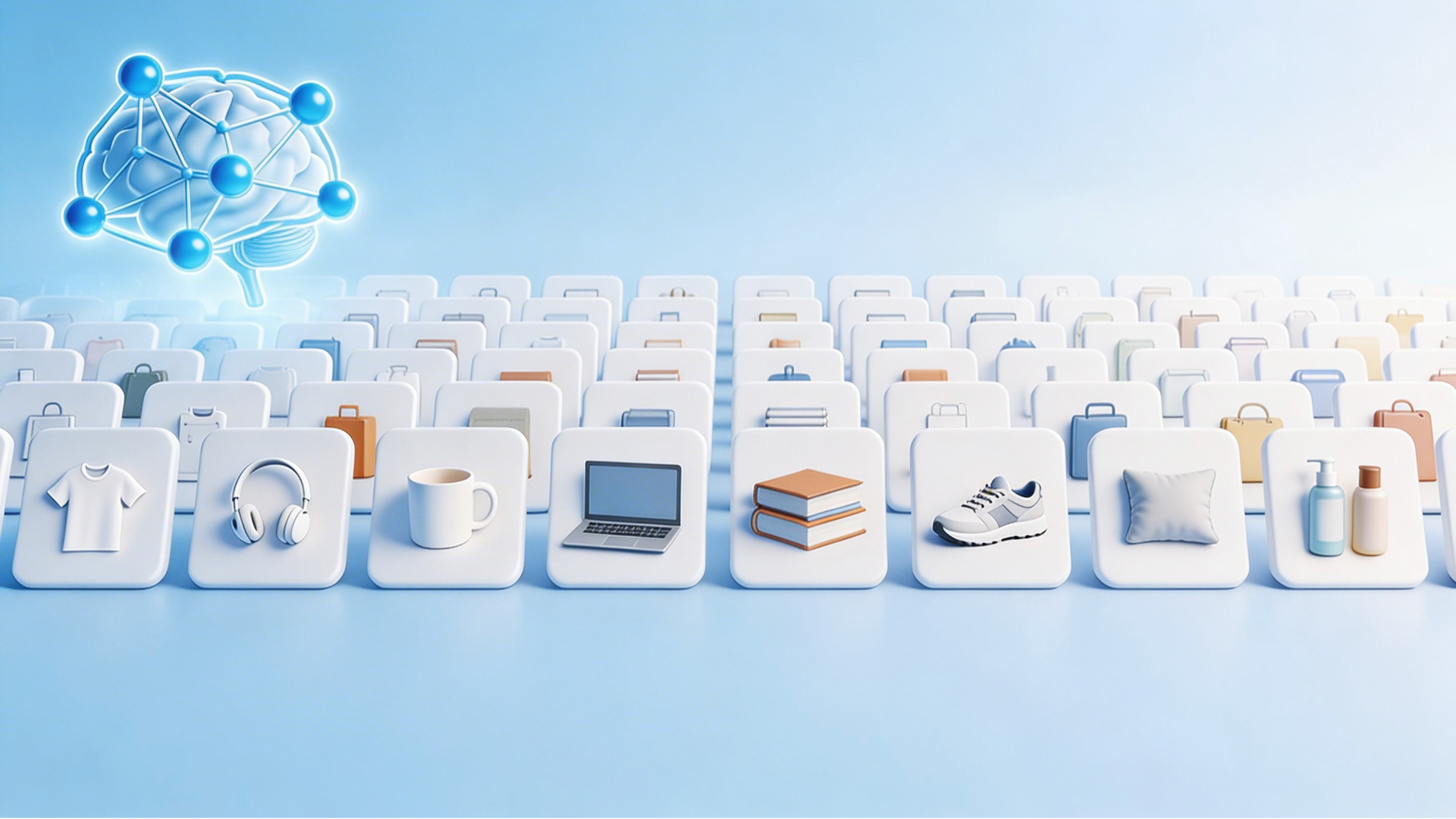
Dropshipping is not just about low cost. It is about speed and flexibility, especially in the early stage.
Key advantages include:
Low startup cost
● You only pay for products after you make a sale
Fast launch speed
● A store can go live in days, not months
Product testing flexibility
● You can test multiple ideas without committing to inventory
Location independence
The business can be run from anywhereThis is one reason why about 27 percent of online retailers use dropshipping as part of their model.
Where Dropshipping Gets Difficult
The downsides are real, and they usually show up after the first few sales.
Lower margins
● Per-unit costs are higher than bulk purchasing
Limited control over shipping
● Delays and issues reflect on your brand
High competition
● Many sellers promote similar products
Branding challenges
Generic products are harder to differentiateOne of the biggest hidden challenges is supplier management. Finding reliable suppliers, comparing products, and keeping inventory updated can quickly become time-consuming.
This is why many newer sellers are moving toward platforms that bundle suppliers directly into the ecosystem, removing that layer of complexity entirely.
Who Dropshipping Is Best For
Dropshipping works best when your goal is to learn fast and validate ideas.
It is a strong fit if you are:
● A beginner entering ecommerce with limited capital
● A creator or micro influencer looking to monetize an audience
● A seller testing product ideas before scaling
It is less suitable if you need full operational control or expect strong margins immediately.
How to Start Dropshipping (Without Overcomplicating It)
Most beginners fail because they try to perfect everything upfront. A better approach is to think in terms of testing and iteration.
1. Product Selection: Focus on Demand Signals
Instead of chasing random trends, look for products with clear angles:
● Problem solving products
● Visually appealing items for short-form content
● Niche or passion-driven products
Categories like fashion, home, and lifestyle continue to dominate. Fashion alone represents over 30 percent of dropshipping revenue.
If you want a structured approach, this guide goes deeper:
A practical shortcut:
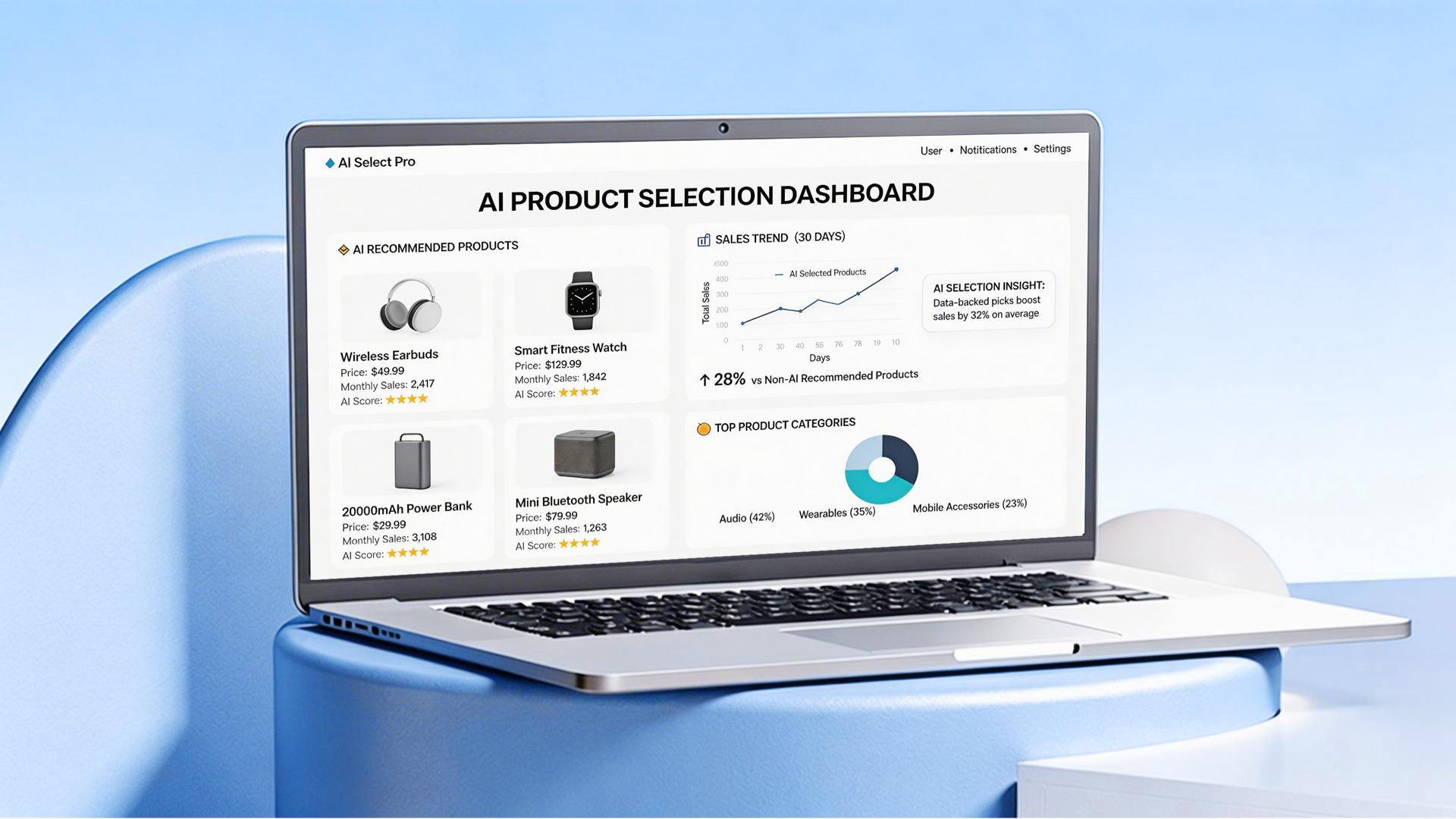
Instead of manually researching products across multiple platforms, you can now use AI-powered product selection.Platforms like Genstore analyze trends and surface products with demand signals, helping you skip the trial-and-error phase and start with stronger candidates.
2. Supplier Selection: The Hidden Bottleneck
Your supplier directly affects your customer experience.
Traditionally, you would need to:
● Search across multiple marketplaces
● Compare shipping times and pricing
● Test product quality manually
This process is slow and inconsistent.
With newer platforms, this step is increasingly abstracted. For example, Genstore gives you access to millions of ready-to-sell products with built-in suppliers, so you do not need to source vendors separately.
That alone can remove one of the biggest friction points for beginners.
3. Store Setup: From Days to Hours
You do not need a complex design, but you do need clarity.
Focus on:
● Clean product pages
● A clear value proposition
● Basic trust elements like reviews and guarantees
AI tools now make this significantly faster. Instead of building everything manually, you can generate product pages, descriptions, and layouts in minutes.
If you want to see how AI fits into this workflow, this guide explains it:
4. Testing Strategy: Start Small, Learn Fast
Instead of trying to build a perfect store, start with a simple testing loop:
● Launch 3 to 5 products
● Drive initial traffic through ads or organic content
● Identify which product gets traction
● Double down on what works
The advantage of using an integrated platform here is speed. When product sourcing, store setup, and fulfillment are all connected, you can test ideas much faster.
A Smarter Variation: Print on Demand
If your goal is to stand out earlier, print on demand is a strong alternative.
It follows the same fulfillment model but allows you to sell custom designs, which makes branding much easier.
You can explore that model here.
What Has Changed in 2026
Dropshipping is still growing, but the execution has evolved.
What no longer works well:
● Generic products with no positioning
● Basic product pages
● Relying only on paid ads
What works now:
● Niche positioning
● Content driven marketing
● Faster fulfillment
● Stronger branding
The biggest shift is this: speed and execution now matter more than access. Anyone can find products, but not everyone can test and iterate quickly.
Final Takeaway
Dropshipping is not a shortcut to easy money, but it is one of the most efficient ways to start ecommerce.
If you use it correctly, it becomes a testing engine:
● You learn the market
● You validate products
● You build initial revenue
The fastest way to get there today is to remove as much manual work as possible.
Instead of juggling product research, supplier sourcing, and store setup separately, you can use an AI-native platform like Genstore to handle these layers in one place. With built-in suppliers and millions of products to choose from, you can go from idea to live store significantly faster.
If you want a full step by step roadmap, this guide is a strong next read.
Start simple, test quickly, and focus on momentum.