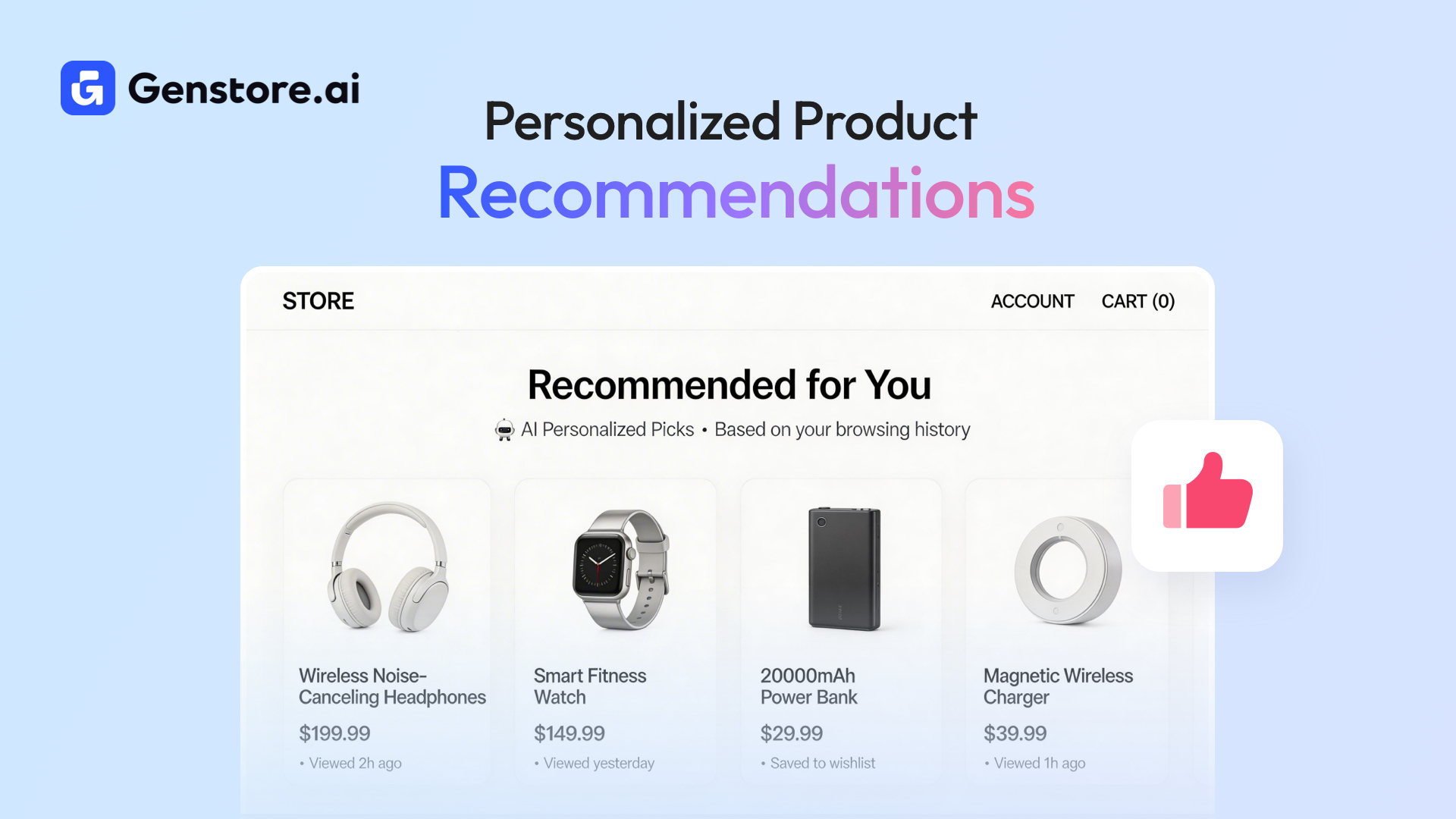
Today’s online shoppers don’t want to feel like just another anonymous customer. A 2024 study by Deloitte found that 80% of consumers prefer a personalized customer experience, with 50% spending more on brands that offer them. In e-commerce, personalized product recommendations are at the heart of that experience.
Providing relevant and timely product recommendations is like giving shoppers a digital guide. They direct customers toward tailored products rather than making generic recommendations. The result? People feel catered to, find what they want, and (hopefully) buy more from your store.
In this guide, you’ll discover how personalized product recommendations work and why they’re a critical part of modern e-commerce success.
What Are Personalized Product Recommendations in E-Commerce?
Personalized product recommendation systems analyze customer behavior, preferences, and purchase history to predict shopper interests and provide relevant suggestions.
Old-school static recommendations used to be your best bet, but they cast a wide net that left out specific needs. On the other hand, dynamic product recommendations zero in on items that align with user behavior, boosting your chances of making a sale.
Core Benefits of Personalized Product Recommendations
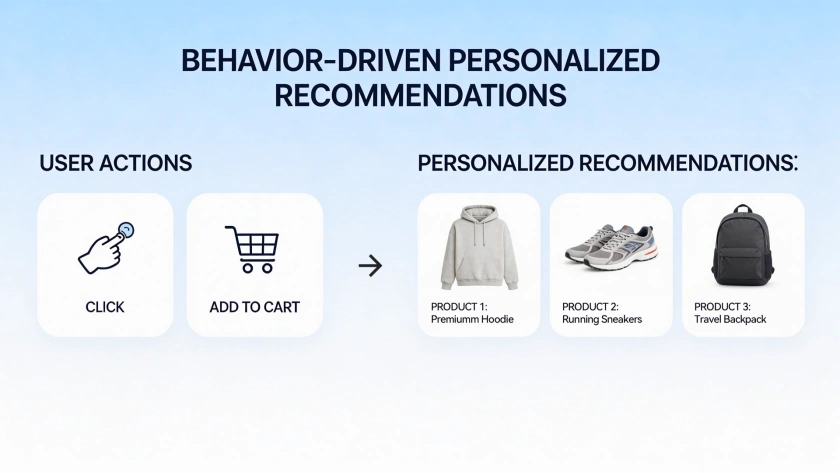
Don’t leave shoppers to fend for themselves. Let’s explore a few perks of custom product suggestions.
Improved Conversion Rates
Tailored recommendations enhance conversion rates in a number of ways. They help people find what they’re looking for, speed through transactions, and discover the best prices out there.
One study found that shoppers who click on personalized suggestions are 4.5X more likely to add items to their carts and complete the purchase.
Less Decision Fatigue
Information overload can be off-putting—customers don’t want to pore over thousands of product listings to find what they’re looking for. Recommendation engines do the heavy lifting by filtering your catalog and delivering the most suitable options.
More Customer Loyalty
Customer retention is when people who love your store keep coming back for more, and personalized product recommendations foster that loyalty. According to a Salesforce survey of 5,000 consumers, 65% of shoppers say personalized experiences make them more likely to stick with a company for future purchases.
Higher Average Order Value
Personalized product recommendations help you get more out of each transaction by increasing the average cart size and value. Even if shoppers already know exactly what they want, they may tack on another product if they see something else that clicks—or see a better version of what they’re buying.
How Do AI Product Recommendation Systems Work?
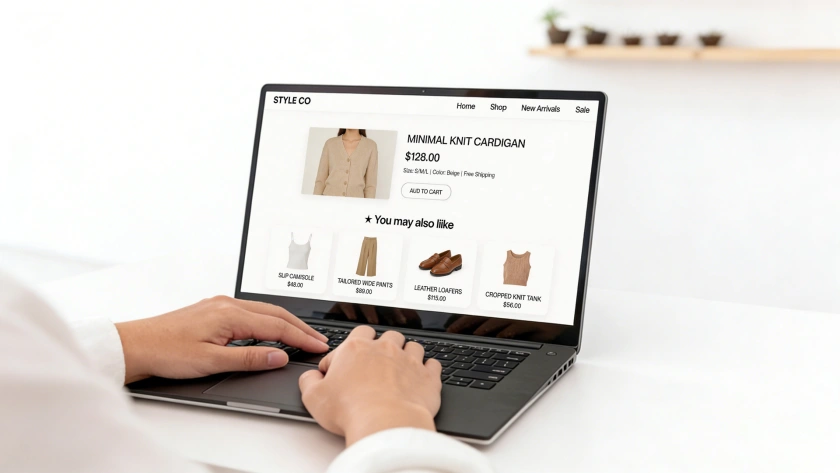
AI product recommendation engines use machine learning algorithms to analyze and understand customer needs and preferences. They look at elements like:
- Search history
- Purchase history
- Product browsing history
- Products in customers’ shopping carts
- Demographic information like age, gender, and location
For instance, these AI tools might see an adult male shopper with running shoes in his cart, and offer a sport water bottle.
How To Boost Sales With Personalized Product Recommendations: 5 Tips
Here are a few strategies to use your recommendation system to the fullest. Most e-commerce platforms offer tools to support these tactics, so you can add them to your store in a few clicks.
Upselling and Cross-Selling
Personalized product recommendations help your upselling and cross-selling efforts by ensuring suggestions are actually relevant to user preferences. For example, offering color-coordinated shirts to match a pair of pants rather than simply advertising dresses. Many e-commerce platforms let you push the products you want to sell—like recommending a pro camera when customers view the standard version.
Rating-Based Recommendations
Many customers want to browse products that other people vetted and verified. Best-selling products with strong ratings are powerful on their own, but combined with personalization, it ensures visitors see high-quality products that align with their interests.
Product Bundles
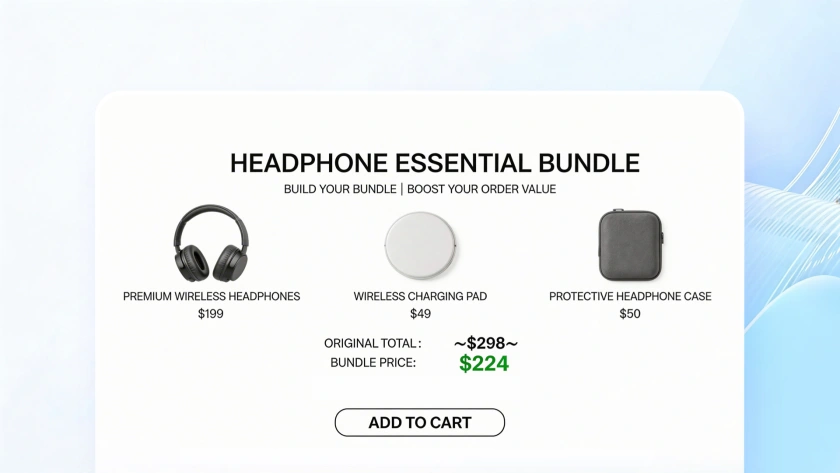
A bundle is a group of complementary items that other people frequently purchase together. If a customer is buying one of those products, recommending the rest may be just the push they need to secure a few more must-haves. For instance, if someone views a cheese slicer, they might want a butter knife and charcuterie board, too. This increases your average order value and lets you get more out of every sale.
You Might Also Like
This type of recommendation analyzes a specific customer’s purchase history rather than other shoppers’. These products won’t necessarily be complementary or trending—they’ll simply be targeted to a customer’s interests, no matter how niche they are. For instance, if someone previously bought protein powder and lotion, this tool may suggest fitness items and skincare, even though the two categories aren’t related.
Mid and Post-Purchase Suggestions
Try offering recommendations during and after checkout. This gives customers one last chance to take advantage of bundles and upgrades, and you might just hit on the one thing they forgot to write down.
Personalize Every Store Visit With Genstore
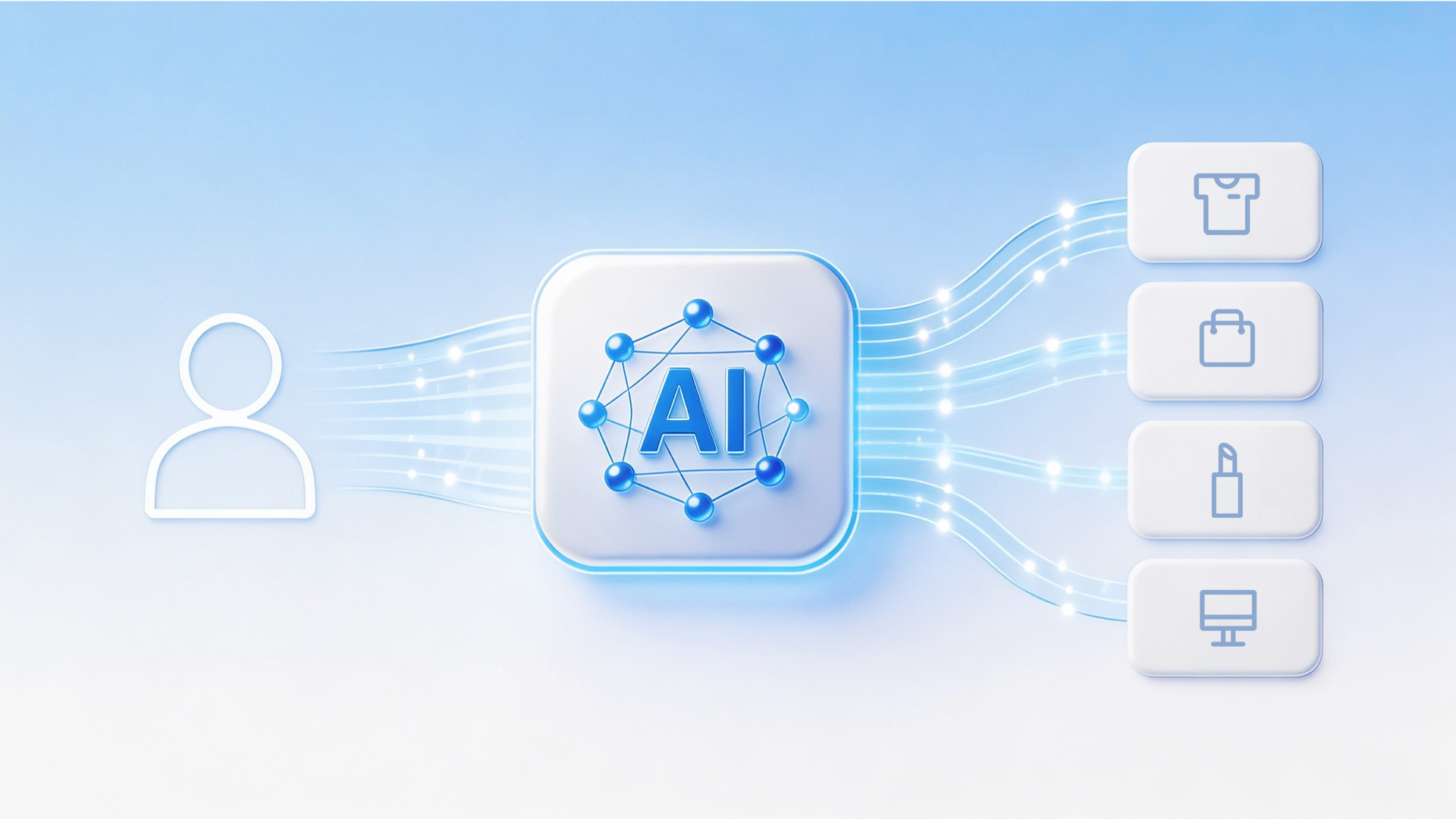
Personalized recommendations let people find what they need and help you move more products. They’re a practical e-commerce tool, and not too long ago, integrating them meant managing complicated plug-ins and expensive web developers. With AI, that time and expense is a thing of the past.
Genstore’s e-commerce solution has a personalized product recommendation engine built into your website from day one. Offer the tailored customer experience shoppers come to expect without lifting a finger. Add the free Product Recommendation widget to your store with a click, and pick from a variety of methods, including best sellers and algorithm-driven intelligent suggestions.
Sign up today to design, launch, and personalize your e-commerce store just by having a conversation with our friendly AI Agents.
FAQ
What Are Personalized Product Recommendations, and How Do They Work?
Personalized product recommendations are data-driven suggestions on e-commerce stores. They analyze factors like purchase history, user behavior, and demographic information to offer up on-point items. These tools build a unique profile for each customer and update them in real time so shoppers can view and consider relevant items.
Are Personalized Product Recommendations Effective for New Online Stores?
Yes, recommendations are effective for new stores, even if you just launched your site. Even though new shops don’t have much historic data to work with, recommendation engines are constantly building profiles for customers in real time. Suppose a customer visits and clicks on three products—this data alone lets AI start making suggestions related to those items.
But more advanced recommendations take a little more time. Your tools can’t recommend customer favorites or top bundles until you have more data to work with.
How Do I Know Whether My Product Recommendations Are Working?
You can figure out whether personalized product recommendations are paying off by tracking and analyzing metrics like click-through rates, average order value, and upselling performance. Make note of your numbers before implementing suggestions, then monitor them to check performance.
How Do Personalized Product Recommendations Affect the Overall Customer Experience?
Personalized product recommendations enhance the customer journey in a variety of ways, including:
- Reducing decision fatigue: Too many choices leave shoppers overwhelmed, resulting in a pile up of abandoned shopping carts. Targeted recommendations narrow your catalog down to the most relevant products.
- Improving product discovery: When a customer isn’t sure what they’re looking for, personalized recommendations help them hone in on the right product.
- Engaging shoppers: When they don’t have to wrestle with a huge catalog of listings they don’t need, customers browse more. This keeps them on your site longer and improves your chances of making a sale.