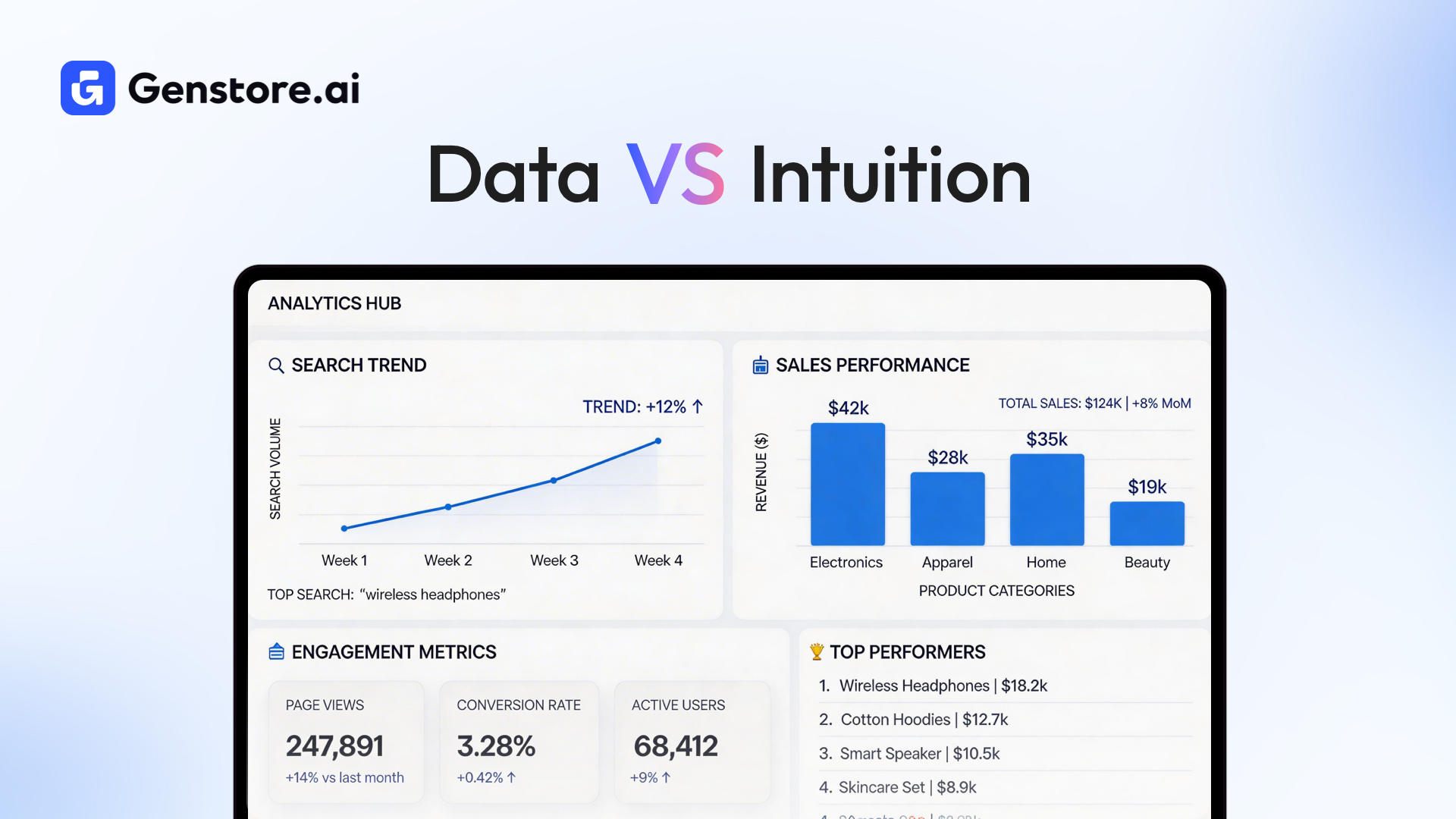
Most dropshipping ventures don't collapse because of poor ad creative, clunky website design, or pricing errors. They fail much earlier—often before the first dollar is even spent.
The root cause is simple: the Intuition Trap. Most sellers pick products based on a "vibe." They see a gadget on TikTok, notice a few thousand likes, and assume they’ve found a goldmine. It feels trendy, it looks cool, and they convince themselves people will buy it.
But e-commerce doesn't reward gut feelings. It rewards signals.
According to Statista, global e-commerce sales are projected to soar past $6 trillion, yet the vast majority of new stores never see consistent profit. The difference between the winners and the rest? How they bridge the gap between intuition and reality.
The Real Gap: Guesswork vs. Validation
Intuition is fast and frictionless, which is exactly why beginners default to it. It’s far easier to scroll through social media and pick a "winner" than it is to perform a deep-dive market validation.
However, intuition has a massive blind spot: it only registers what is visible on the surface. Data captures the mechanics of the market:
- Search Intent: What are people actually typing into search bars?
- Click-Through Behavior: Where are they putting their attention?
- Repeat Purchase Rates: Is this a one-hit wonder or a sustainable brand?
This distinction is what separates a "cool item" from a "sellable asset." A report from McKinsey & Company highlights that data-driven organizations are significantly more likely to acquire and retain customers. If your product choice is flawed from the start, no amount of marketing genius can save it.
Why Your Gut Is Lying to You

In dropshipping, intuition usually fails in three predictable ways:
- Misinterpreting Virality: A video can go viral for entertainment value without ever converting into sales. Virality is often a spike; demand is a trend.
- Lacking Demand Depth: A product might catch the eye, but if there isn't a "long tail" of search volume, you'll hit a ceiling the moment you try to scale.
- The Mirror Bias: Sellers often source products they personally like. This disconnect between personal taste and market reality is perhaps the most expensive mistake a beginner can make.
Research from Think with Google shows that consumer behavior is non-linear and driven by micro-moments. What looks flashy in a feed often fails to translate into actual purchase intent.
The Anatomy of a Data-Backed Product
Using data doesn't require a degree in statistics; it requires looking for three specific "hard" signals before committing:
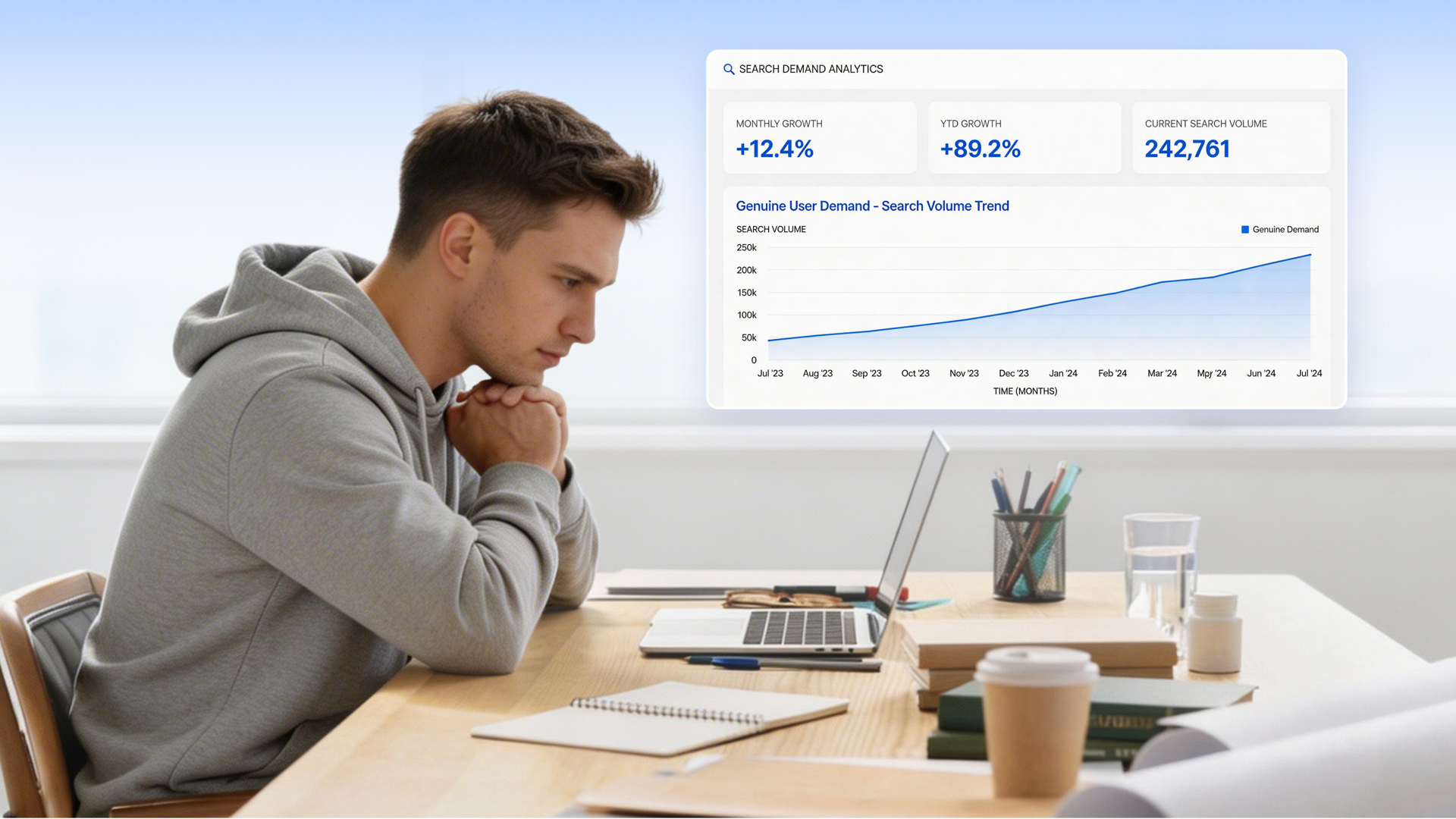
- Existing Intent: Is there consistent search volume? If people are looking for it, the hunger is already there.
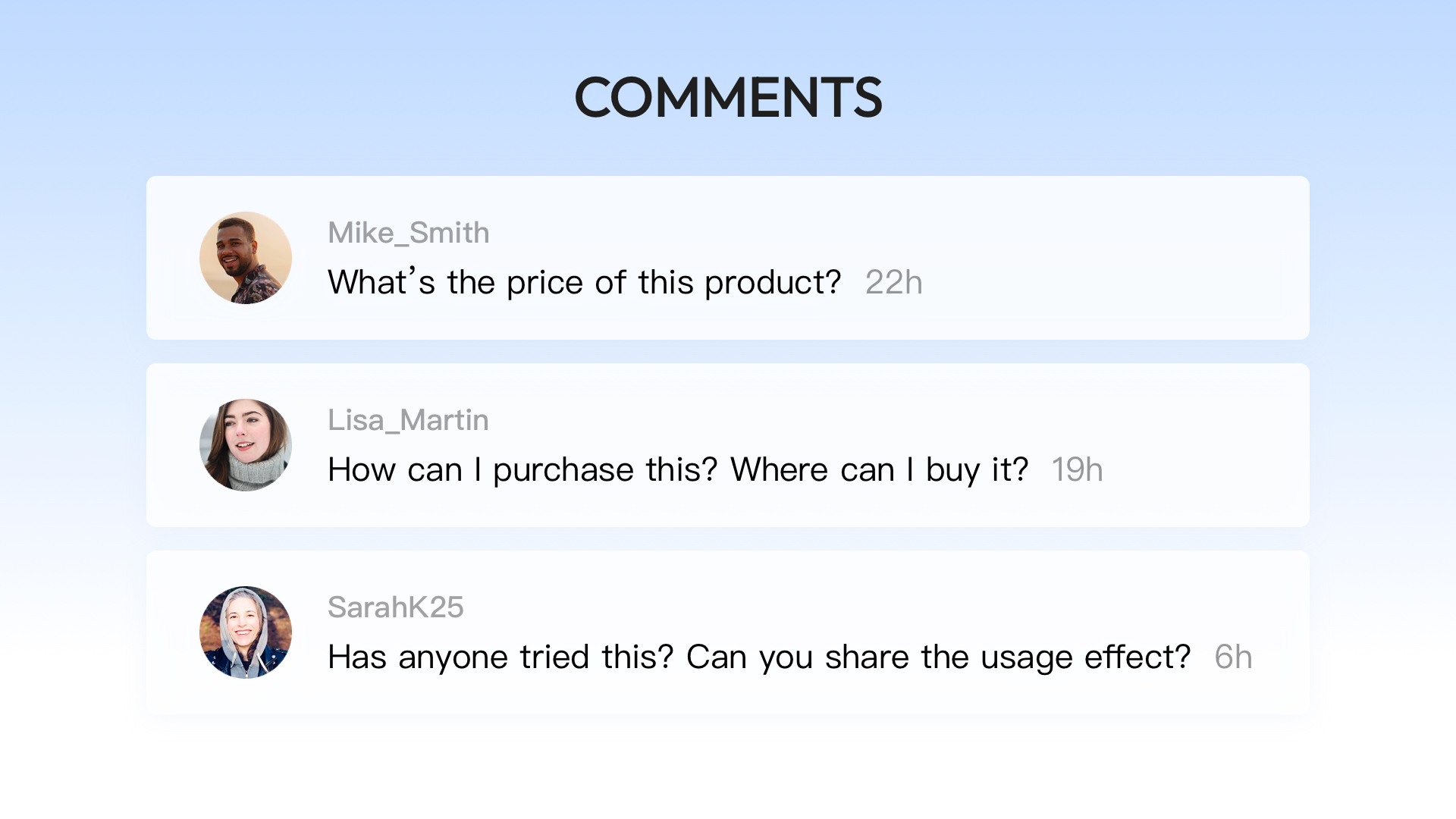
- Engagement Quality: Don’t just look at views. Look at the comments. Are people asking "Where can I buy this?" or "How much is it?" That is high-intent engagement.
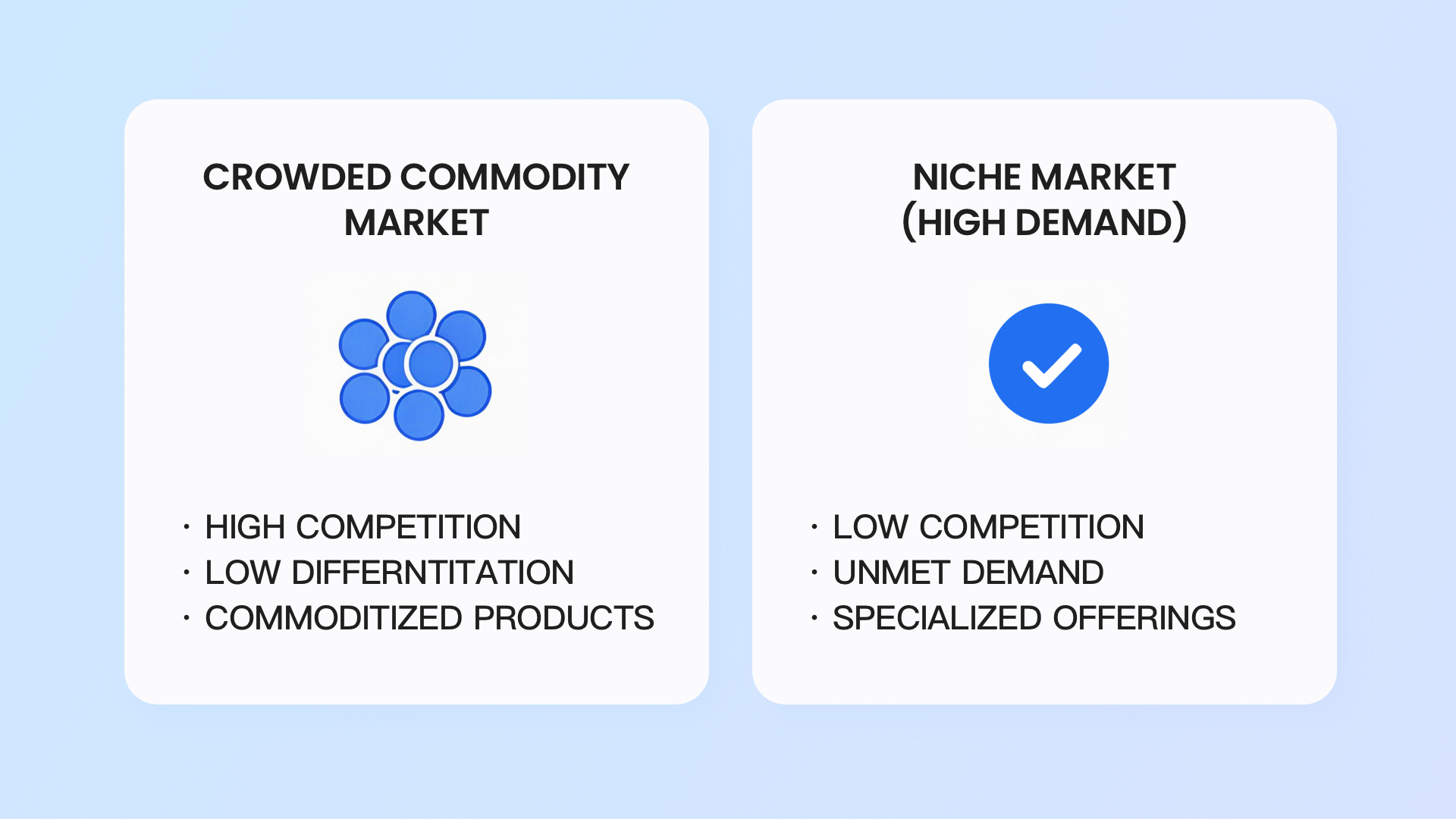
- Market Saturation: A high-demand product in a crowded market is a price war. A high-demand product in a low-saturation niche is a business.
Tools like Google Trends are essential for identifying whether a product’s interest is growing, plateauing, or in a death spiral. The goal isn’t to find perfect data, but to mathematically reduce your uncertainty.
From Guessing to Validating: A Practical Workflow
Data shouldn't kill your creativity; it should ground it. Here is how to move from a broad idea to a validated winner:
- Inspiration: Start with your intuition or a social media trend.
- Quick-Fire Validation: Immediately check search patterns. Is the interest sustained or a one-day spike?
- Contextual Analysis: Read the reviews and comments on similar products. What are the pain points? Why are people unhappy with the current options?
- The Comparative Test: Never fall in love with your first idea. Compare three potential products against the same data points. The winner is usually the one with the strongest "boring" numbers, not the most "exciting" look.
The Efficiency Gap
Most sellers lose time not because they aren't working hard, but because their effort is scattered. They jump from platform to platform, manually piecing together a puzzle with missing parts. This fatigue usually leads them back to making an emotional "gut" decision just to get the store launched.
This is where AI-driven workflows change the game. By aggregating disparate data points, competitor pricing, search volume, and social sentiment, into a single view, you can make decisions that are both faster and more accurate.
The Three-Question Stress Test
Before you launch, your data must answer these three questions:
- Is there documented demand?
- Is that demand consistent?
- Is there a clear gap in the competition?
If you have data for all three, you have a foundation. If even one is a "hunch," you’re gambling.
Final Thoughts
The reality of e-commerce is that most products fail before the store is even live, not because the idea was "bad," but because it was never verified.
The shift from intuition to data is what separates "getting lucky" from "building a system." In a market where speed is everything, the ultimate advantage isn't just moving fast, it’s moving in the right direction.
That is where real leverage begins.