Starting an online business used to require technical skills, coding knowledge, and a large upfront investment. Today, the biggest barrier is no longer technology. It is mindset, positioning, and execution.
If you consider yourself “not tech savvy,” you are actually closer to the modern entrepreneur than you think. Most successful new store owners are not developers. They are problem solvers who learn to use tools strategically.
This guide walks through how beginners can build a real online business, from product selection to brand identity, without technical experience.
The New Reality: Technology Is No Longer the Barrier
Over the past two years, ecommerce has entered a new phase powered by AI tools and simplified platforms. According to recent small business research, 68% of U.S. small businesses now use AI, and adoption is growing faster than any previous technology cycle.
By the end of 2026, more than 80% of small businesses are expected to use AI for marketing and operations.
This shift matters because AI removes technical complexity. Tasks that once required specialists, such as product research, copywriting, design, and store setup, can now be completed through guided workflows.
In other words, online business success is no longer about technical ability. It is about making clear decisions.
Step 1: Start With a Problem, Not a Product
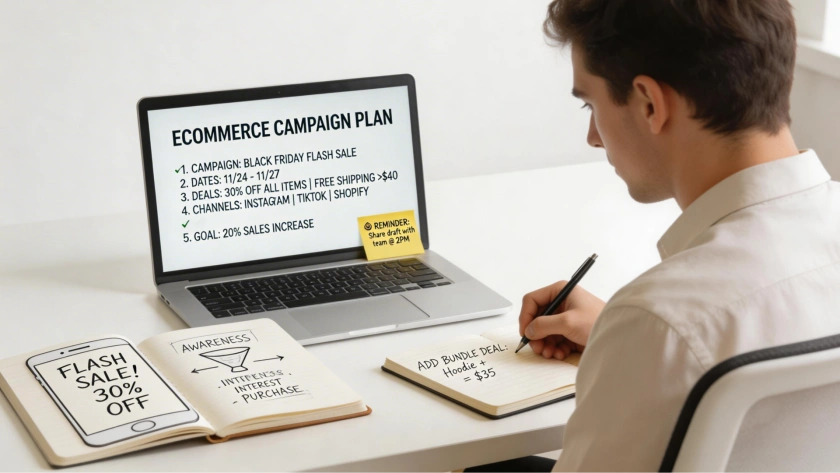
Beginners often search for “winning products.” Experienced founders start with audiences.
Instead of asking:
What should I sell?
Ask:
Who am I helping, and what problem do they have?
Strong beginner niches usually share three traits:
● Clear lifestyle identity (fitness beginners, pet owners, remote workers)
● Emotional motivation behind purchases
● Repeat buying potential
AI tools can analyze trends quickly, but your role is choosing a direction. Technology accelerates execution, not judgment.
A simple framework:
1. Choose an audience you understand.
2. Identify daily frustrations or aspirations.
3. Build products that support that lifestyle.
Step 2: Position Before You Build
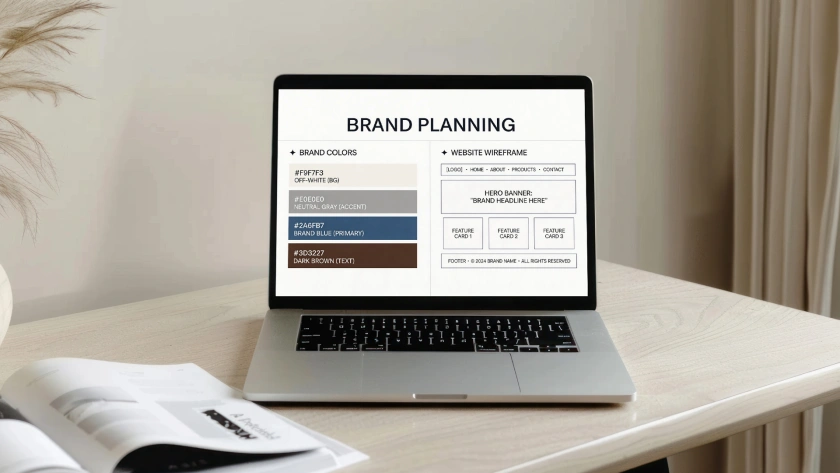
Many new sellers launch stores too early. Branding decisions should come before product uploads.
Your positioning answers three questions:
● Who is this brand for?
● Why should customers trust it?
● What makes it different from marketplaces?
You do not need complex branding. You need consistency.
For example:
● General store → low trust
● Problem-focused brand → higher conversion potential
Research shows AI-driven ecommerce improvements can increase sales productivity by up to 16.3% through better customer experiences and reduced friction. Clear positioning directly supports that experience.
Step 3: Use AI as a Business Assistant, Not a Shortcut
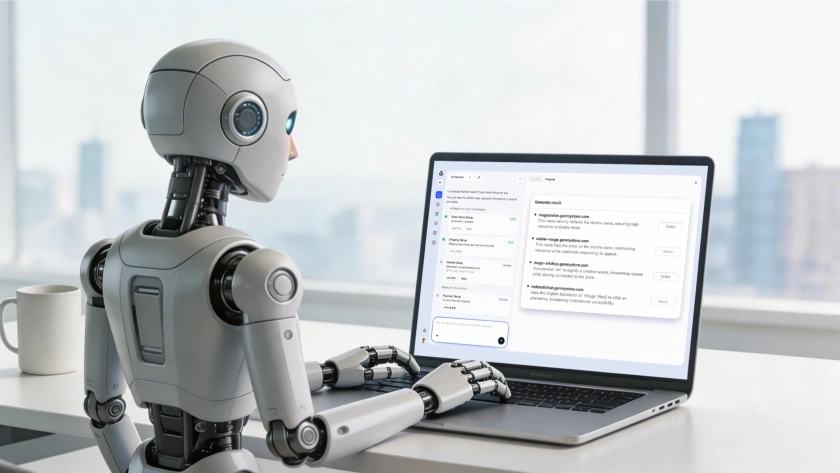
AI works best when applied to specific workflows.
Common beginner use cases include:
● Product description generation
● Store page creation
● Marketing content drafts
● Customer support automation
About 91% of small businesses using AI report revenue growth benefits, but studies also show many owners fail because they use tools without strategy.
The difference is intentional use.
Start small:
● One niche
● One product category
● One marketing channel
Scale only after validation.
Step 4: Build a Brand, Not Just a Store
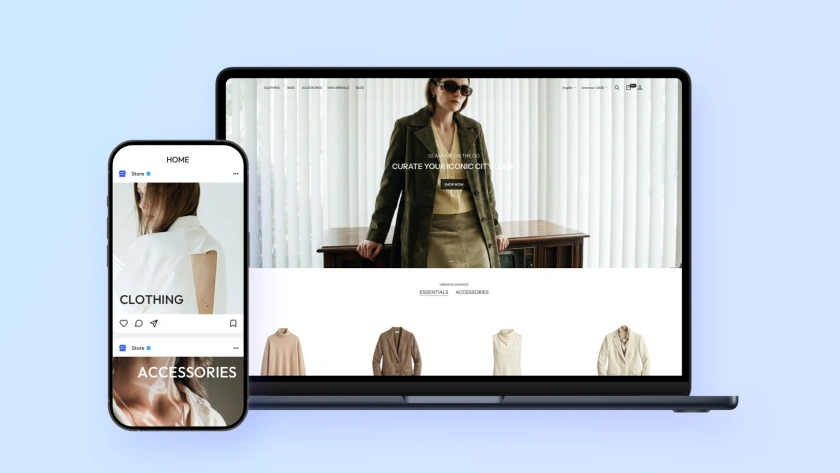
A store sells products. A brand builds trust. Even beginners can establish brand identity by focusing on:
Consistency
Use the same tone, visuals, and message across product pages and social media.
Education
Teach customers something useful related to your niche.
Story
Explain why your store exists. Customers connect with purpose more than design quality.Modern ecommerce brands win through connection, not technical perfection.
Step 5: Launch Fast, Learn Faster
Perfection delays learning. Data creates clarity.
Your first version should aim for:
● Clear homepage message
● 3 to 10 focused products
● Simple checkout flow
● One traffic source (TikTok, SEO blog, or creator partnerships)
AI adoption studies show growing businesses implement technology faster because they test quickly and iterate based on results. Your first store is not your final brand. It is your training ground.
The Beginner Advantage
Ironically, not being technical can be an advantage.
Non technical founders tend to focus on customers instead of tools. And ecommerce increasingly rewards customer understanding over technical complexity. The modern online business stack is designed for accessibility. Platforms handle infrastructure. AI handles execution support. Your responsibility is strategy, creativity, and consistency.
The question is no longer whether you can build an online business without technical skills.
It is whether you are ready to think like a brand owner instead of a tool user.
Start small. Stay focused. Let technology handle the heavy lifting while you build something customers actually care about.