Dropshipping has never been easier to start, but it has also never been more competitive. In 2025, the global dropshipping market is valued at over $445 billion and is projected to pass $1.25 trillion by 2030, growing at roughly 22% annually.
That growth attracts millions of new sellers every year. Today, about 27% of ecommerce businesses use dropshipping, yet only a small percentage achieve long term profitability.
The difference rarely comes down to ads or store design. It usually starts with one decision: choosing products that are safe to test.
For beginners, testing the wrong product wastes budget, time, and motivation. A safe product reduces risk while giving you real data to learn from. Below is a practical checklist used by experienced dropshippers to evaluate products before spending money on ads.
1. Clear Demand Already Exists
A safe product does not rely on educating the market from zero. Customers should already understand what the product does within seconds.
Why this matters:
● Ecommerce competition is increasing as digital shoppers continue to grow worldwide, reaching billions of buyers globally.
● Attention spans are short. Products that require explanation struggle to convert.
Quick validation signals:
● Active social media content around the problem
● Existing competitors getting engagement
● Search interest or marketplace listings with reviews
You are not copying competitors. You are validating demand before testing.

2. Solves a Specific Problem or Desire
Safe products usually fall into one of three categories:
● Problem-solving (organization, convenience, comfort)
● Improvement products (beauty, fitness, lifestyle upgrades)
● Emotional or identity-driven items (hobbies, pets, niche communities)
Generic products fail because they lack positioning. Modern dropshipping success increasingly depends on niche focus and differentiation rather than mass catalogs.
3. Healthy Pricing Room
Profit margin is protection.
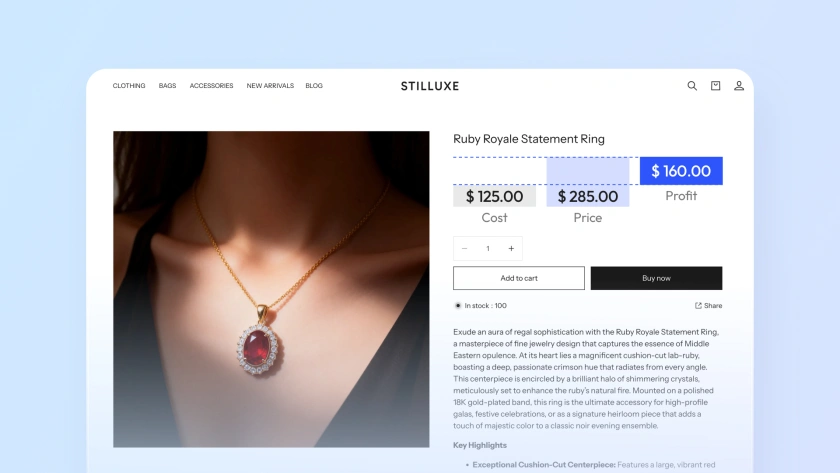
Typical dropshipping margins range between 15% and 30%, meaning pricing flexibility is critical.
A safe test product usually meets this structure:
● Supplier cost: low enough for experimentation
● Selling price: 2.5x to 4x product cost
● Perceived value higher than actual cost
Avoid products where marketplaces already compete purely on price. Competing with discount platforms removes your ability to build a brand.
4. Easy Logistics and Low Risk Fulfillment
Shipping problems are one of the biggest reasons new stores fail. Around 35% of sellers report shipment delays from unreliable suppliers, directly affecting trust and refunds.
Safe products tend to be:
● Lightweight
● Durable
● Non fragile
● Simple sizing or universal fit
● Low return risk
Logistics stability matters more than trend hype.
5. Visual Content Potential
Products sell when customers can instantly imagine using them.
A strong test product should allow:
● Short-form video demonstrations
● Before and after visuals
● User generated style content
● Simple lifestyle storytelling
Dropshipping stores with active social presence generate about 32% more revenue on average, showing how important content readiness has become. If you struggle to imagine five video ideas quickly, testing may be difficult.
6. Room for Branding Later
The goal of testing is not finding a viral product. The goal is finding a brand opportunity.
Ask:
● Can this expand into a niche store?
● Can customers buy related items later?
● Does it belong to a lifestyle or identity?
As competition increases, successful sellers shift from random products to focused micro brands. Market trends show growing adoption of automation and AI tools helping sellers scale curated niches instead of general stores.
A safe product is one that could become a category, not just a one week trend.
A Simple “Safe to Test” Checklist
Before launching ads, confirm:
● Existing demand is visible online
● Clear problem or emotional appeal
● 2.5x or higher pricing flexibility
● Low shipping and return risk
● Strong visual marketing potential
● Expansion path into a niche brand
If a product meets at least five of these six criteria, it is usually safe enough to test.
Final Thoughts
Dropshipping is no longer about guessing viral items. The model is evolving into a data driven entry point for building real ecommerce brands. With the market expanding rapidly and automation becoming standard, beginners who test strategically gain a major advantage early.
Instead of chasing trends, focus on reducing risk and learning faster through structured testing.
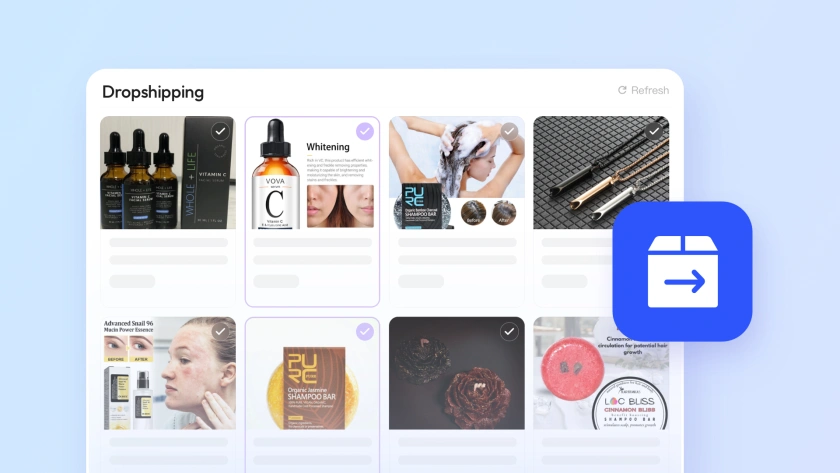
Platforms like Genstore help simplify this process by using AI powered product research and a large curated product pool, allowing beginners to identify testable opportunities faster and move from experimentation toward brand building with clearer direction.