Launching a dropshipping store is easier than ever. Getting your first 10 sales, however, is where most beginners get stuck.
The early stage is not about scaling ads or building a massive brand. It is about proving one simple thing: strangers are willing to pay for what you sell. Once that happens, everything becomes easier to optimize.
This roadmap breaks down the practical steps new merchants can follow to move from zero to their first real traction.
Step 1: Understand What “Normal” Looks Like
Before doing anything else, reset expectations.
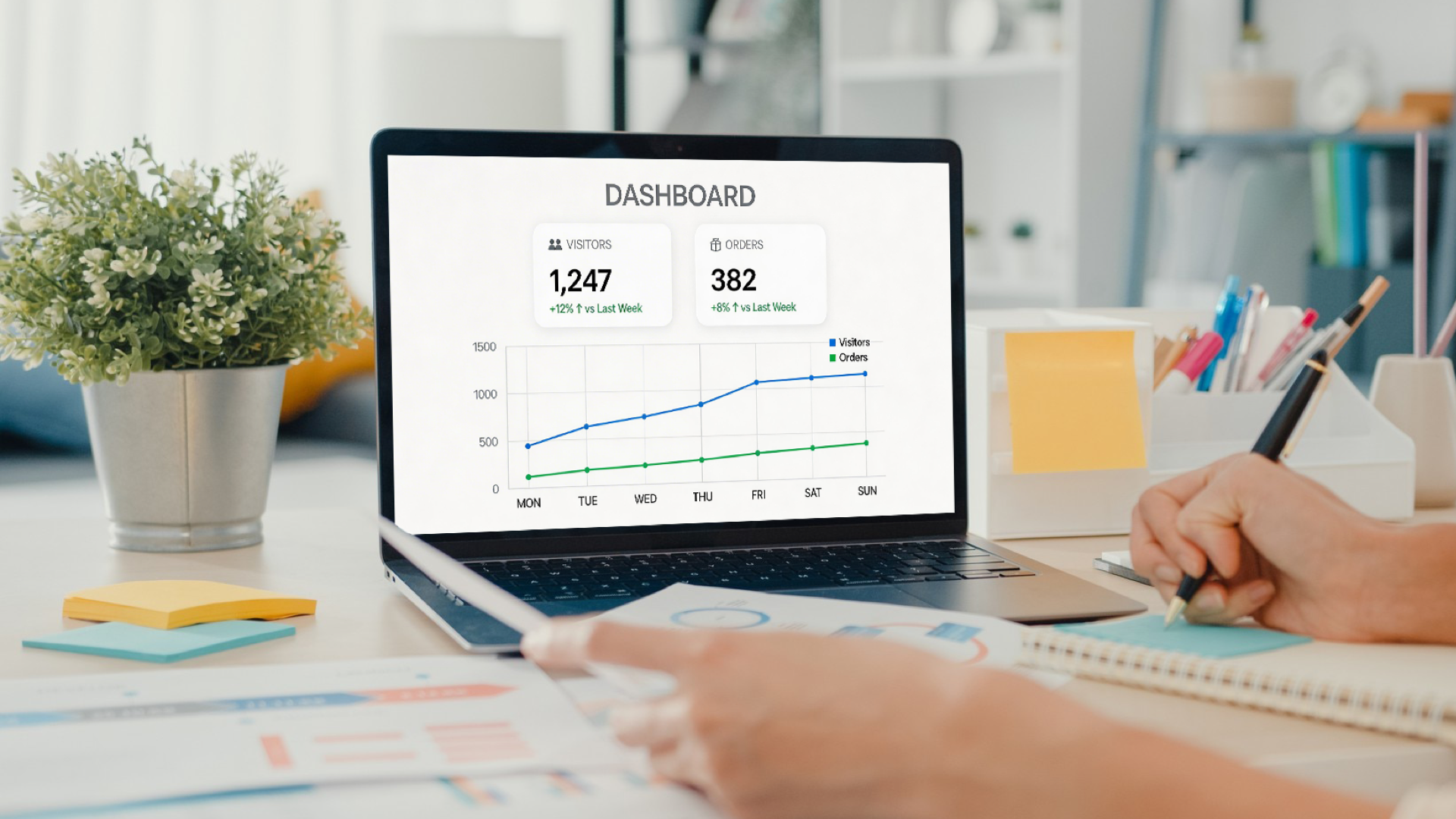
Many beginners assume stores should convert immediately. In reality, ecommerce conversion rates are modest across the industry. The global average conversion rate sits around 2 to 3 percent, meaning only two or three buyers per 100 visitors is considered healthy performance.
That means your first goal is not thousands of visitors. You only need enough targeted traffic to produce a handful of conversions. If 300 qualified visitors reach your store, statistically your first sales should begin appearing.
Step 2: Choose a Narrow Product Angle
Dropshipping remains one of the most accessible ecommerce models, used by roughly 27 percent of online businesses worldwide.
But accessibility also creates competition. The difference between stores that succeed and those that fail usually comes down to positioning. Instead of selling “everything,” focus on one clear customer problem.
Good beginner product traits:
● Solves a visible or relatable problem
● Easy to demonstrate visually
● Priced between $20 and $60
● Lightweight and simple to ship
● Appeals to a specific audience, not everyone
Niche positioning increases trust and improves conversion probability, especially when you have little brand recognition.
Step 3: Build a Store That Reduces Doubt
Your first visitors are not evaluating design creativity. They are asking one question: Is this store trustworthy?
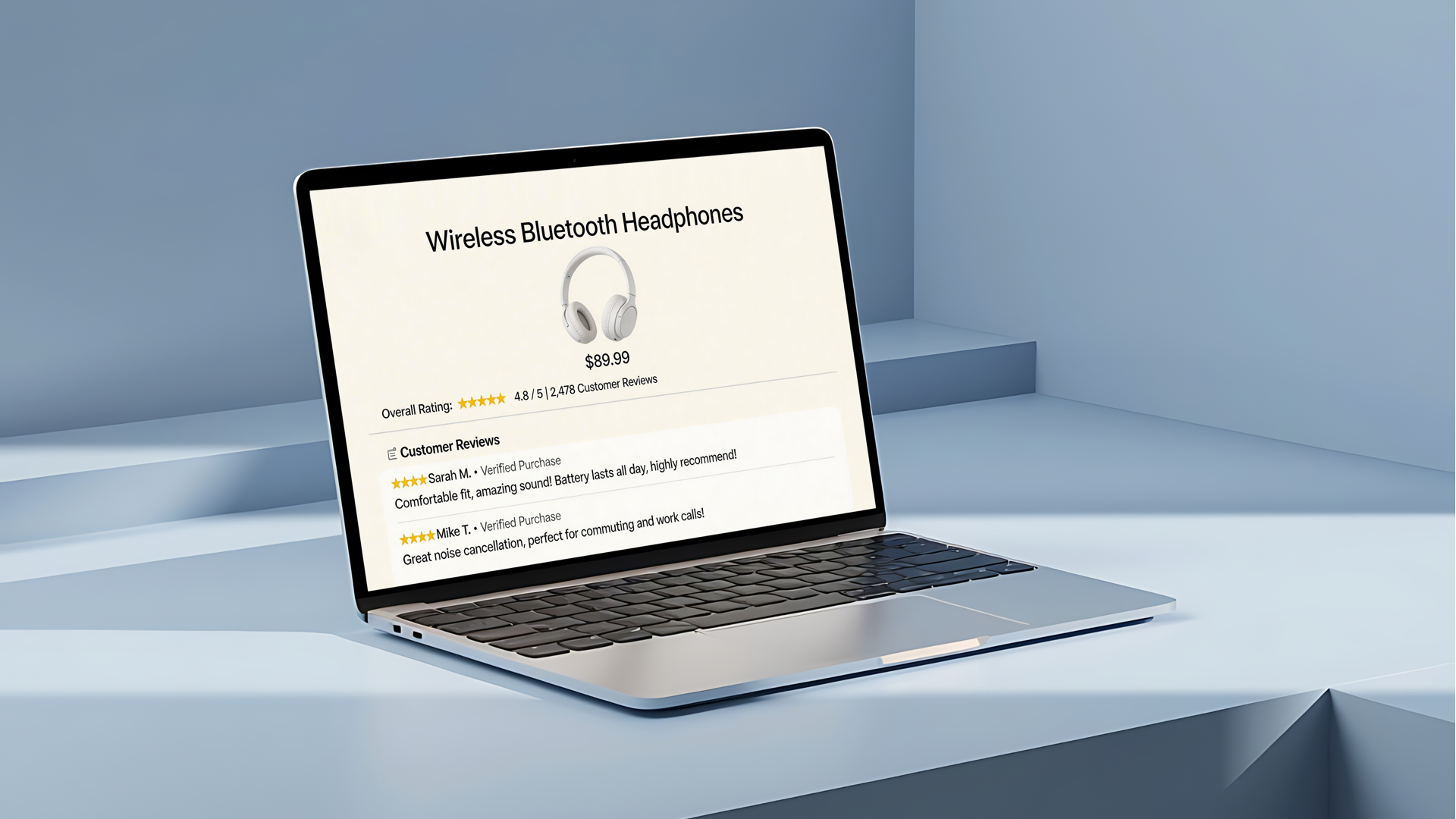
Research shows 89 percent of online shoppers check reviews before purchasing. To reach early sales faster, prioritize clarity over customization:
● Clear product benefits above the fold
● Realistic product images or demonstrations
● Simple shipping and return explanations
● Visible customer reviews or social proof
● Mobile-friendly layout
Mobile traffic now represents the majority of ecommerce visits, yet desktop users still convert at higher rates due to usability advantages. Optimizing mobile experience closes this gap.
A clean, understandable page often outperforms a heavily designed one.
Step 4: Focus on One Traffic Channel First
New sellers often try TikTok, Instagram, SEO, Pinterest, and paid ads simultaneously. This spreads effort too thin. Pick one acquisition channel and learn it deeply.
Why this works:
● Consistency improves algorithm learning.
● Messaging becomes clearer.
● Data accumulates faster.
Studies show businesses using diversified social media eventually perform better, but early-stage stores benefit from mastering one channel before expanding. For beginners, organic short-form video or niche community content usually produces the fastest early feedback loop.
Step 5: Aim for Validation, Not Profit
Your first 10 sales are a testing phase.
At this stage, focus on learning:
● Which creatives attract clicks?
● What objections appear in comments?
● Where customers hesitate in checkout?
Dropshipping margins typically range between 15 to 30 percent, and many stores are not profitable immediately. That is normal. Early sales provide data that helps refine pricing, messaging, and product positioning.
Step 6: Improve Conversion Before Increasing Traffic
A common beginner mistake is chasing more visitors when conversions are low.
Small improvements often outperform traffic growth:
● Shorten product descriptions
● Add comparison images
● Highlight key benefits in bullet form
● Simplify checkout steps
Even a small conversion increase matters. Moving from 1 percent to 2 percent conversion effectively doubles revenue without increasing traffic. Top-performing ecommerce stores exceed 3 to 4 percent conversion rates by continuously optimizing small details over time.
Step 7: Build Momentum After Sale One
Your first sale changes psychology more than metrics.
After it happens:
1. Analyze where the buyer came from.
2. Double down on that traffic source.
3. Create similar content or creatives.
4. Collect reviews immediately.
Stores with active social media presence generate about 32 percent higher revenue on average compared to inactive ones. Momentum compounds quickly when you repeat what already works.
The Bigger Picture
Ecommerce continues expanding rapidly, with global online retail projected to reach $8.1 trillion by 2026. This growth means opportunity still exists, but success increasingly favors sellers who focus on customer experience rather than shortcuts.
Your first 10 sales are not about luck or viral success. They are the result of clear positioning, simple execution, and consistent testing. Once you reach that milestone, you are no longer guessing. You are operating a validated business, and scaling becomes a process instead of a gamble.