Personalized shopping experiences are no longer considered just a nice-to-have option. With 82% of customers preferring a personalized shopping journey, offering the same stale experience to every visitor won’t cut it.
E-commerce personalization involves tracking actionable data metrics for everyone who browses your store. With it, you can provide on-point product recommendations, create cross-selling opportunities, and make every shopper feel specifically catered to.
We’ll explain how to implement e-commerce personalization across your online store and keep up with the latest developments to future-proof your marketing efforts.
What’s E-Commerce Personalization?
E-commerce personalization tailors the online shopping experience to your customers’ past purchase history and behavior. AI analyzes buyer preferences and behavior to predict their next purchase and suggest items they’d like. Instead of serving people the same, stale product recommendations they’ve already seen, AI creates a unique experience for each shopper.
Say it’s the dead of winter, and a customer in Alaska is browsing through your footwear selection. Chances are they’re more interested in finding a stout pair of waterproof snow boots than a comfy pair of sandals. But excellent e-commerce personalization means digging a little deeper. If their browsing history reveals they recently purchased a new swimsuit, they might be after a new pair of sandals for their upcoming beach trip.
Creating a personalized experience is helpful no matter your niche, but it’s vital if you run a dropshipping business. Carefully tailoring customer experiences is one of the few options available to help your store stand out from competitors offering the same products.
Benefits of Personalization in E-Commerce
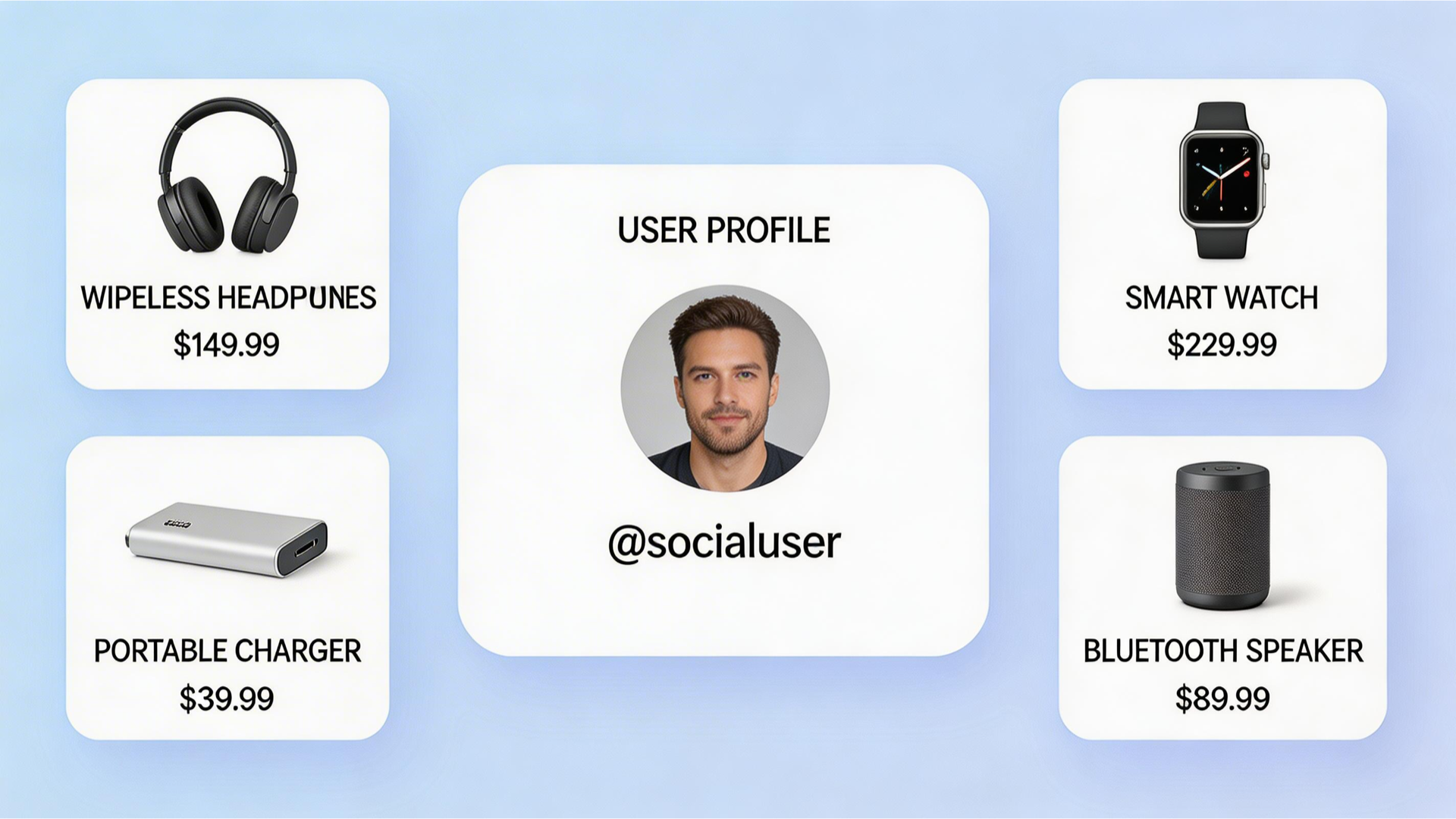
Instead of subjecting each customer to the same cookie-cutter shopping experience as your competitors, personalize the e-commerce experience to see the following advantages.
Better Conversion Rates
Personalization directly affects your conversion rates. In fact, companies that make customization a priority see 40% more revenue than those who make it an afterthought. This makes customization one of the most effective and affordable ways to optimize your conversion rate, especially if you’re running your store with AI.
Turning Interest Into Orders
For shoppers who’ve viewed your site but haven’t made a purchase, e-commerce personalization helps to reel them in through personalized retargeting campaigns.
Say a customer has looked at a product listing for the same laptop twice in two days. On the third day, you may consider offering a custom discount to nudge them toward a purchase.
Fostering Customer Loyalty
Creating loyal customers starts by turning transactional interactions into emotional connection. Personalized recommendations, promotional campaigns, and AI shopping assistant interactions increase customer loyalty by making visitors feel like they’re not just another face in the cloud.
6 E-Commerce Site Personalization Strategies
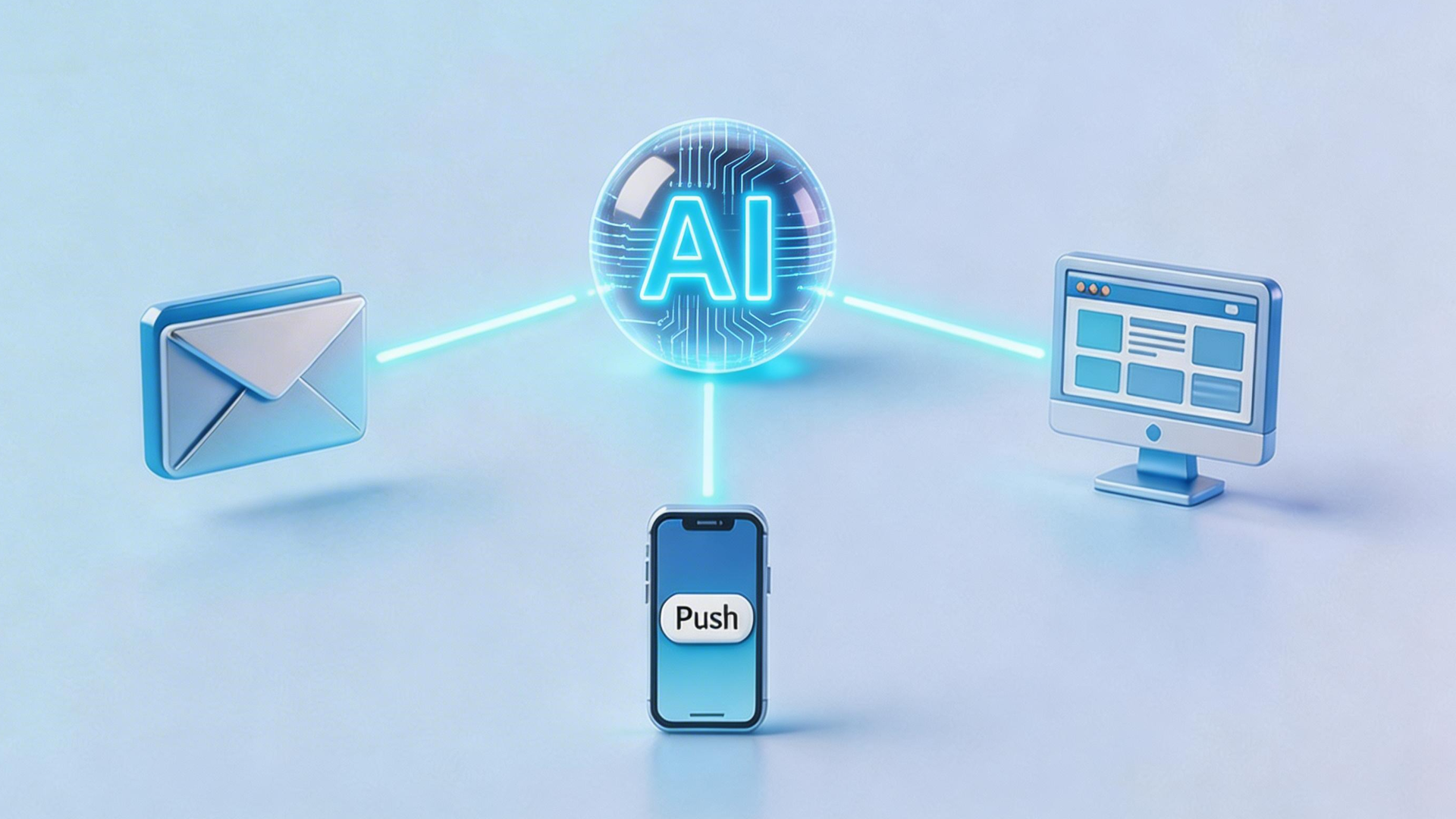
Here are six of the best personalization for e-commerce strategies you can implement today:
- Product recommendations: Offering personalized product recommendations is often a great place to start—roll these out after a user’s first interaction with your product catalog.
- Cross-selling and upselling opportunities: Compare shopper preferences across your customer base to decide on personalized bundles and other upselling ideas.
- Custom email, SMS, and push notifications: Customize your messaging to make sure each delivery feels made to order with relevant product recommendations and calls to action.
- Promotional campaigns: Send out discounts and sale offers tailored directly to customers’ purchase history and budget.
- Fine-grained demographic targeting: Make highly customized product recommendations and offers based on each shopper’s location, age, and income level.
- Cart abandonment campaigns: Flag when a customer fills their shopping cart but hasn’t yet completed the transaction. Send customers personalized reminders, and include a coupon code for a higher chance of conversion.
E-Commerce Personalization Examples

Even the most successful online retailers take full advantage of personalized shopping experiences to keep customers coming back. Below are a few real-life examples of e-commerce personalization in action.
Amazon
Amazon is renowned for pioneering personalized product recommendations long before becoming industry standard. In 2010, Amazon rolled out the “Customers Who Bought” widget to show visitors what other shoppers found useful to bundle together, converting one-off purchases into cross-selling opportunities.
Warby Parker
Warby Parker turned online prescription eyewear sales into a multi-billion-dollar business by letting customers see exactly how they’d look in a new pair of glasses. Virtual try-on was already an expected feature to give shoppers a rough idea, but Warby Parker took it a few huge steps forward by offering to ship customers five frames for free—letting them try on frames in-person before making a decision.
Starbucks
Starbucks’ in-house AI growth engine “Deep Brew” is integrated into their app, gathering hyper-detailed analytics on everything from purchase history to local weather conditions. This extra attention on consumer patterns of behavior lets them serve up personal recommendations, like recommending a customer order an iced drink on a warm day.
The Future of E-Commerce Personalization
E-commerce personalization is evolving at a rapid pace, especially with the advent of high-performing AI tools. Check out the options below to stay ahead of the competition.
Agentic Commerce
Agentic commerce autonomously handles everything you need for full e-commerce personalization. AI creates targeted ad campaigns and generates detailed data insights without any human input.
AI Shopping Assistants
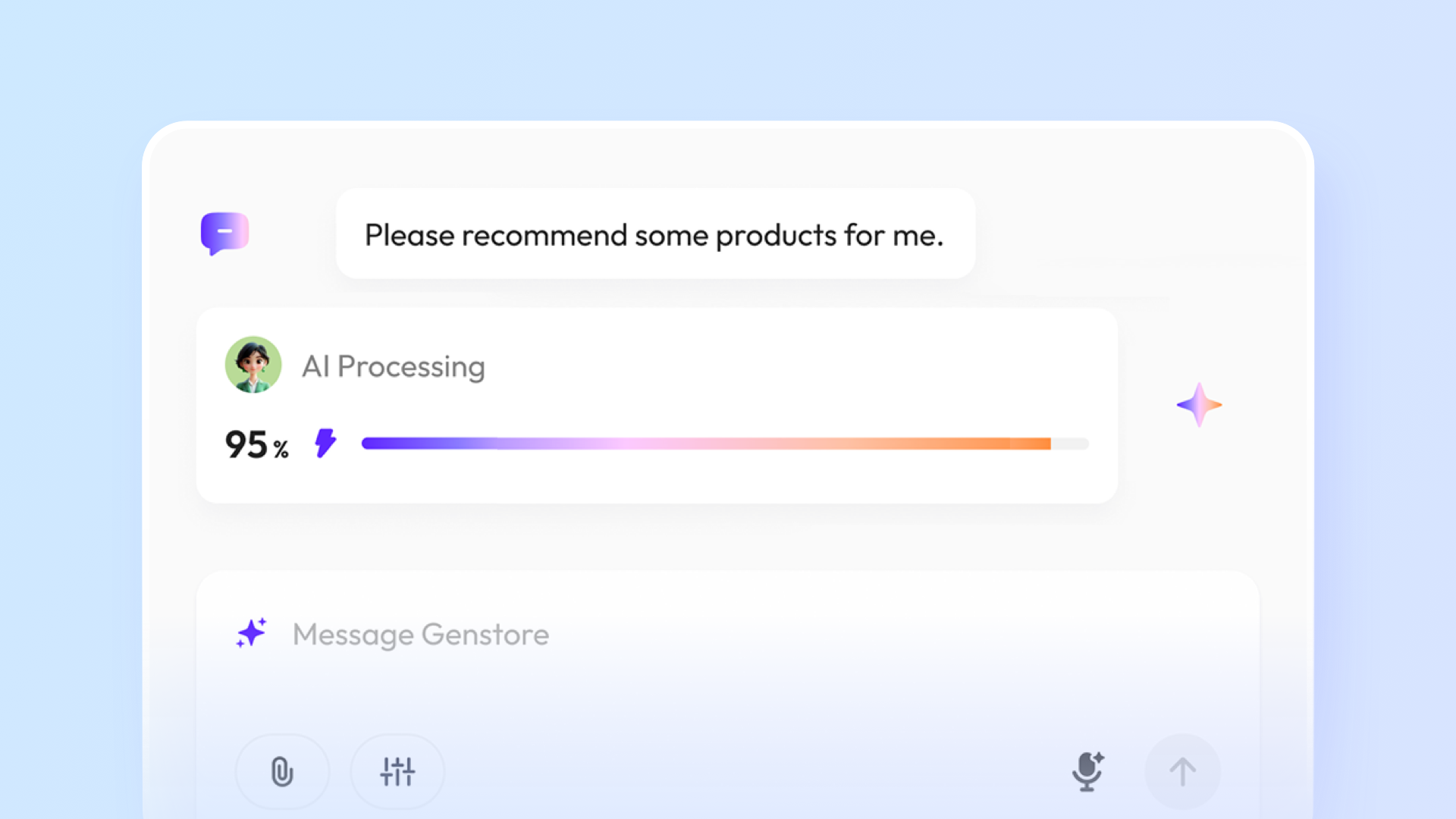
Visitors to your online store can chat with a friendly, personalized AI shopping assistant for advice on which products best match their needs and budget.
Genstore comes with an AI shopping assistant that guides customers throughout their visit to your store. It remembers past behavior to provide real-time recommendations and support 24/7—all in your carefully crafted brand voice.
Predictive Personalization
Advanced e-commerce solutions come with the ability to anticipate user needs and preferences. By analyzing existing data, the predictive personalization finds recommendations for users, typically before they’ve shown interest.
Create a Tailored Shopping Experience for Every Customer With Genstore
In the past, personalizing customer journeys took an entire data team to generate insights and integrate them into complex, expensive enterprise software. Now, with a single AI-powered conversational user interface, you have everything you need to create a memorable experience for your customers.
Genstore is your full-time analytics expert, web developer, and customer service agent all rolled into one. By launching your e-commerce store with Genstore, you’ll have options for advanced personalization right from the start. Make every visitor experience unique by providing AI-powered product recommendations and a one-on-one intelligent shopping assistant.
The work doesn’t end when shoppers click off your website. Work with AI Agent Olivia to turn the data from visitors into high-performing promotional campaigns to move more units and draw customers back in.
Sign up today to roll out the red carpet for every customer with Genstore.
FAQ
What’s E-Commerce Personalization?
E-commerce personalization is the process of customizing everything from product recommendations to marketing campaigns by analyzing different shoppers’ interactions online.
What Are the Strategies for Achieving Personalization in E-Commerce?
The most effective strategies for e-commerce personalization include:
- Personalized product recommendations for each customer
- Cross-selling and upselling by offering customized bundles and product upgrade ideas
- Tailored messaging through email reminders and omnichannel campaigns
- Promotional campaigns and discounts designed for individual needs and preferences
- Detailed demographic targeting for maximum personalization
- Cart abandonment campaigns to nudge customers toward finalizing transactions
How Does AI Improve E-Commerce Personalization?
AI-powered e-commerce solutions make deep personalization easy, affordable, and effective. They offer turnkey customization from the moment your store goes live and an intuitive conversational user interface for seamless strategic updates.
AI tools also make e-commerce more effective with detailed data gathering and sophisticated analysis, so you can rest assured that you’re working with all the available data.