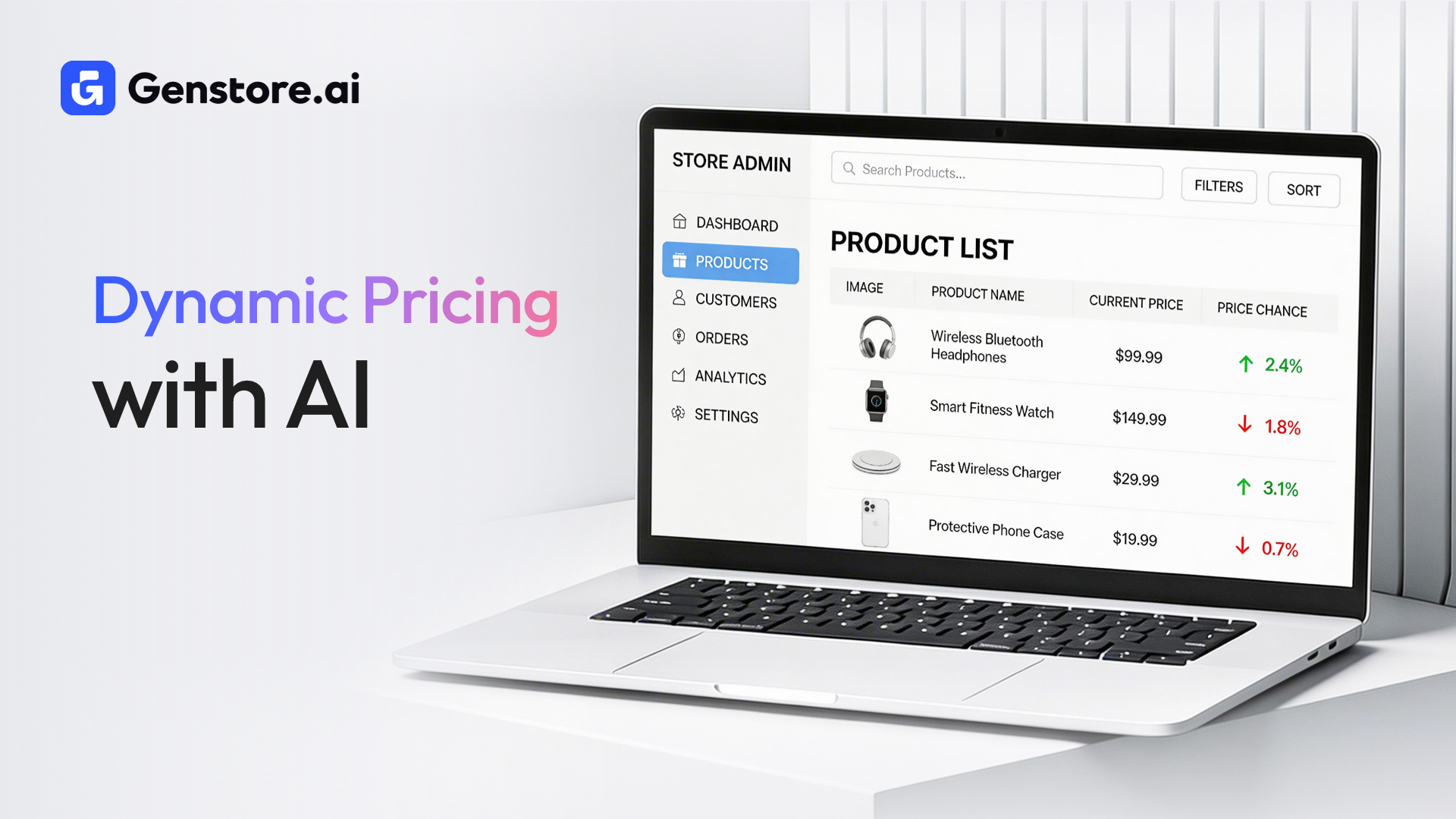
Maintaining competitive prices feels like chasing a moving target. Right when you get comfortable, a competitor drops to $19.99, and you can almost hear your visitors navigating away. Implementing a dynamic pricing strategy helps you continuously meet expectations and keep a steady stream of customers.
This tactic has businesses watching trends and tweaking prices accordingly. Today, many teams use AI tools to recommend the best numbers or proactively update prices in real time according to shifting market conditions. This positions your catalog competitively and takes a heap of time and effort off your team’s plate.
In this guide, we’ll explain dynamic pricing tactics and the ways e-commerce stores implement them.
What’s Dynamic Pricing?
Dynamic pricing is when businesses adjust prices to respond to real-world market conditions. Companies update their catalog to stay competitive with similar organizations, using data from areas like customer segments, seasons, and trends.
Professionals used to implement dynamic pricing models manually, which meant hiring market analysts who tracked data, like seasonal demand and competitor success, through research and interviews. The process was time intensive, but luckily, most teams rely on software now.
With dynamic pricing tools, businesses use accurate real-time data to inform price shifts. Many of these platforms are AI-driven, and they can absorb information, understand the best approach, and proactively update prices. These AI systems remove the hands-on work and help you maximize profits by matching expected prices and seizing time-based opportunities.
Why Dynamic Pricing Matters in E-Commerce
Dynamic pricing is especially relevant to e-commerce stores and online marketplaces because real-time adjustments are easy. Brick-and-mortar businesses usually have physical limits. For instance, a manager needs an employee to go change tangible price tags.
These strategies also help e-commerce businesses stand out in a saturated market. Online stores are easier and easier to launch and manage, so competition is fierce. Offering the right prices at the right time helps you catch your customer’s attention and stick with them.
Types of Dynamic Pricing Strategies
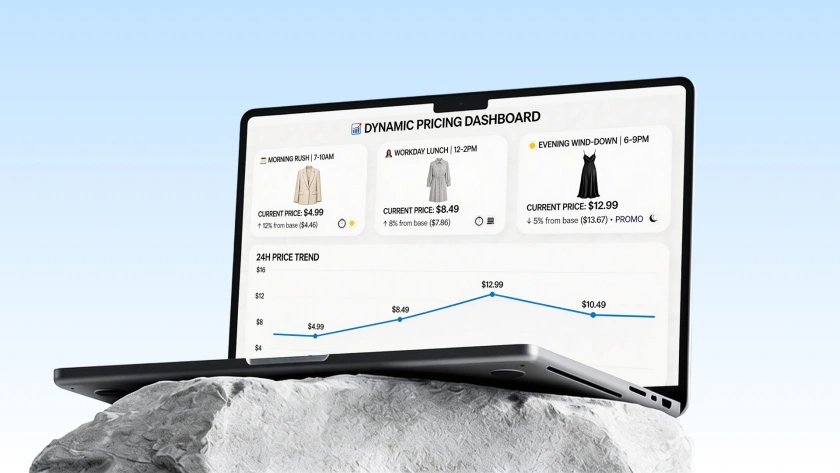
Let’s go over what the most common dynamic pricing models are and how they work in e-commerce.
Time-Based Pricing
This is when teams adjust prices according to weekends, seasons, and holidays. Some time-based dynamic pricing examples include:
- Holiday surge pricing: This refers to adjusting prices during specific events and holidays, For instance, reducing price tags on Black Friday to draw in customers.
- Early-bird discounts: This is when stores lower prices if customers shop early or order in advance. This promotes a sense of urgency and exclusivity, encouraging purchases.
- Seasonal sales: This strategy aligns your prices with current seasonal needs and trends. For example, teams might cut prices on winter clothes to clear out stock for spring. On the other hand, some businesses might mark down warm clothes at the start of winter when thousands of people are rushing to buy.
- Flash sales: This is when businesses dramatically lower product prices for a short time. Some teams use these to incentivize sales during slow hours, though they’re also used to clear out stock and boost awareness.
Demand-Based Pricing
Dynamic pricing also moves with shopper demand, like aligning with new trends and popular events. This tactic relies on metrics like site traffic, cart activity, and sales data.
Suppose an online store that sells sporting apparel increases prices for jerseys before a major match. Another example is a makeup boutique that raises prices on the key items in a trending social media look, like the foundation and concealer for the “cloud skin” trend.
Competitor-Based Pricing
This model sets prices based on how competitors are selling similar products. By keeping an eye on your peers' numbers, you can match or even undercut their numbers. You can also one-up other sites by offering extras, like free shipping or a coupon on their next purchase.
Customer Segment Pricing
This strategy gauges a customer’s ability and willingness to pay, then adjusts prices based on the items they’re most likely to buy. The tactic uses customer segments, which vary widely depending on factors like purchase history, demographics, and income bracket.
For instance, if your audience is primarily from New York City, you might raise your prices as the cost of living in that area increases.
Dynamic Pricing Optimization: How to Implement a Strategy That Works

Implementing a dynamic pricing strategy for your ecommerce store is easier than it used to be, but it still requires thoughtful, intentional steps. Here’s how to do it.
Define Your Business Goals
Know what you’re trying to achieve through dynamic pricing. Examine organizational goals, yearly revenue targets, and seasonal objectives. It’s a good idea to talk to your team and review AI analytics to discover areas of improvement. For instance, if sales are steady but low, you might want to spike revenue and capture new customers.
Some e-commerce platforms make this step straightforward. For instance, if you manage an e-commerce shop with Genstore, you can ask the AI Analytics Agent to dig into your site metrics. Then, discuss the results and develop a strategy with Genius, the Super Agent.
Evaluate Customer Segments and Market Trends
Delve into your visitor and market data and study the numbers. This lets you see how your consumers behave and set price ranges that fit natural fluctuations.
If you operate internationally, make sure to review local conditions, taxes, shipping fees. Once you find the sweet spot, platforms like Genstore let you set prices per country. For example, you can set up unique costs and shipping charges for U.S. and French customers.
Select the Right Dynamic Pricing Strategy
Determine the best type of dynamic pricing strategy for your situation. Consider your goals, available customer data, and features in your pricing tool. For instance, new e-commerce stores don’t have extensive customer data yet, but they can take advantage of seasonal sales.
Don’t limit yourself—many companies use more than one type of dynamic pricing. Suppose a team raises prices on an imported candy because of a viral trend. They could nudge prices a little higher than competitors if they sell in high-cost areas like Los Angeles and Manhattan.
Establish Pricing Guidelines and Criteria
Define price range thresholds and approval workflows so dynamic pricing doesn’t go too high or low. Even when you’re relying on automatic AI updates, these limits allow you control without heavy micromanaging.
Implement AI for Real-Time Updates and Tracking
Add AI into your online store to manage price shifts with less effort. Some e-commerce platforms, like Genstore, use AI pricing out of the box, so you can adopt this strategy at store launch.
AI automatically maintains dynamic prices for you, all the while tracking site data in the background. All you need to do is regularly review metrics—and Genstore makes that easy, too. Discuss your data with conversational AI that makes the numbers approachable, not jargony. Your specialized team of Agents can help you remix areas of improvement, launch marketing campaigns, and maintain prices that work.
Benefits and Challenges of Dynamic Pricing
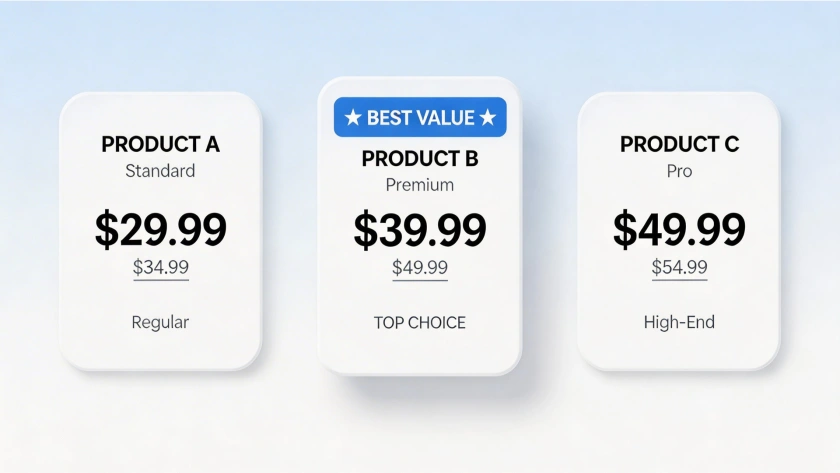
Dynamic pricing has the potential to boost your profits and align your business with expectations and trends. Even so, it isn’t without its challenges, and it pays to be aware of them. Let’s take a look at the pros and cons.
Benefits of Dynamic Pricing
Here are the main advantages to expect:
- Improved revenue: Seize real-time revenue opportunities by matching prices to demand, competitor prices, and trending items.
- Market agility: Stay current with industry trends to keep up with competitors and meet customer expectations.
- Stronger operational management: Reduce the manual burden and push inventory more effectively with automatic pricing adjustments.
- Better understanding of customer behavior: Monitor customer data to see what your people love and how they shop to align with your target audience and drive sales.
Challenges of Dynamic Pricing
Here are some potential hurdles to overcome:
- Customer perception: Customers can get frustrated by a lack of transparency when prices change frequently.
- Risk of pricing wars: Undercutting competitors can quickly become a race to offer the cheapest price, resulting in instability and losses.
- Implementation complexity: Dynamic pricing requires top automation tools and integrations with your larger data ecosystem that can be tricky to set up.
Reliance on poor quality data: Poor customer, product, and competitor data can cause inaccurate pricing.
With the right platform, you don’t have to worry about complex integration and low-quality data. Genstore demystifies dynamic pricing with easy-to-use, AI-powered features. Launch your store (or migrate an existing one), and set up custom pricing in a few clicks. Then, customize smart pricing rules in-platform and watch the AI make data-backed adjustments to products in real time.
Automate Smart Product Pricing With Genstore
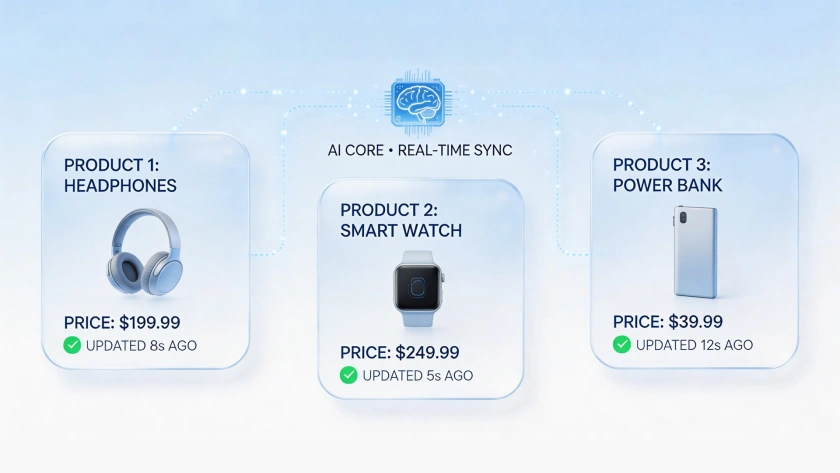
Dynamic pricing helps you adjust to market shifts, protect your profit margins, and transform fluctuations into revenue opportunities. Keeping pace with real-world prices is a challenge, but with Genstore, you reap the benefits without the headaches.
Genstore’s e-commerce platform handles the operations while you handle the vision. Your AI team identifies in-the-moment opportunities based on your business intelligence. Set competitive pricing rules based on cost, markup, and shipping, and automatically update your full catalog within seconds. Stay ahead of the curve and offer prices that benefit you and your customers—without piling more on your busy schedule.
Build an online store with Genstore, and work on your business, not in it.