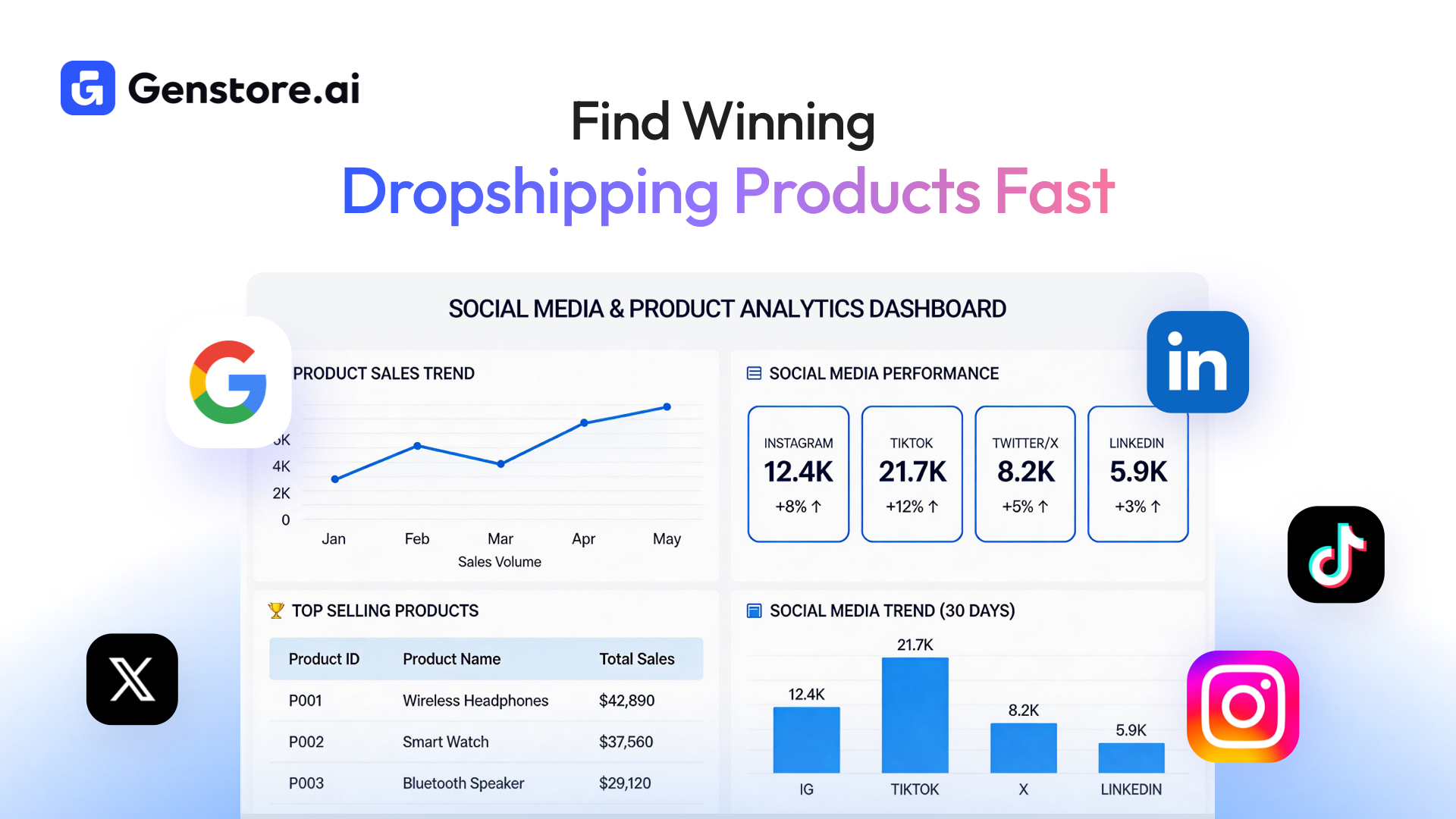
Most dropshipping stores fail for one simple reason. They pick the wrong product.
It is not about store design. It is not about ads. If the product does not have demand, no amount of marketing will save it.
According to a report by Statista, global ecommerce sales are expected to reach over $8 trillion by 2027.
That means opportunity is massive, but competition is just as high. The only way to win is to make smarter product decisions using data, not guesswork.
This guide walks you through a practical, repeatable process to find products that actually sell.
Step 1: Start With Demand, Not Ideas
Most beginners start with “this product looks cool.” That is the wrong approach.
You want proof of demand before you invest time building a store.
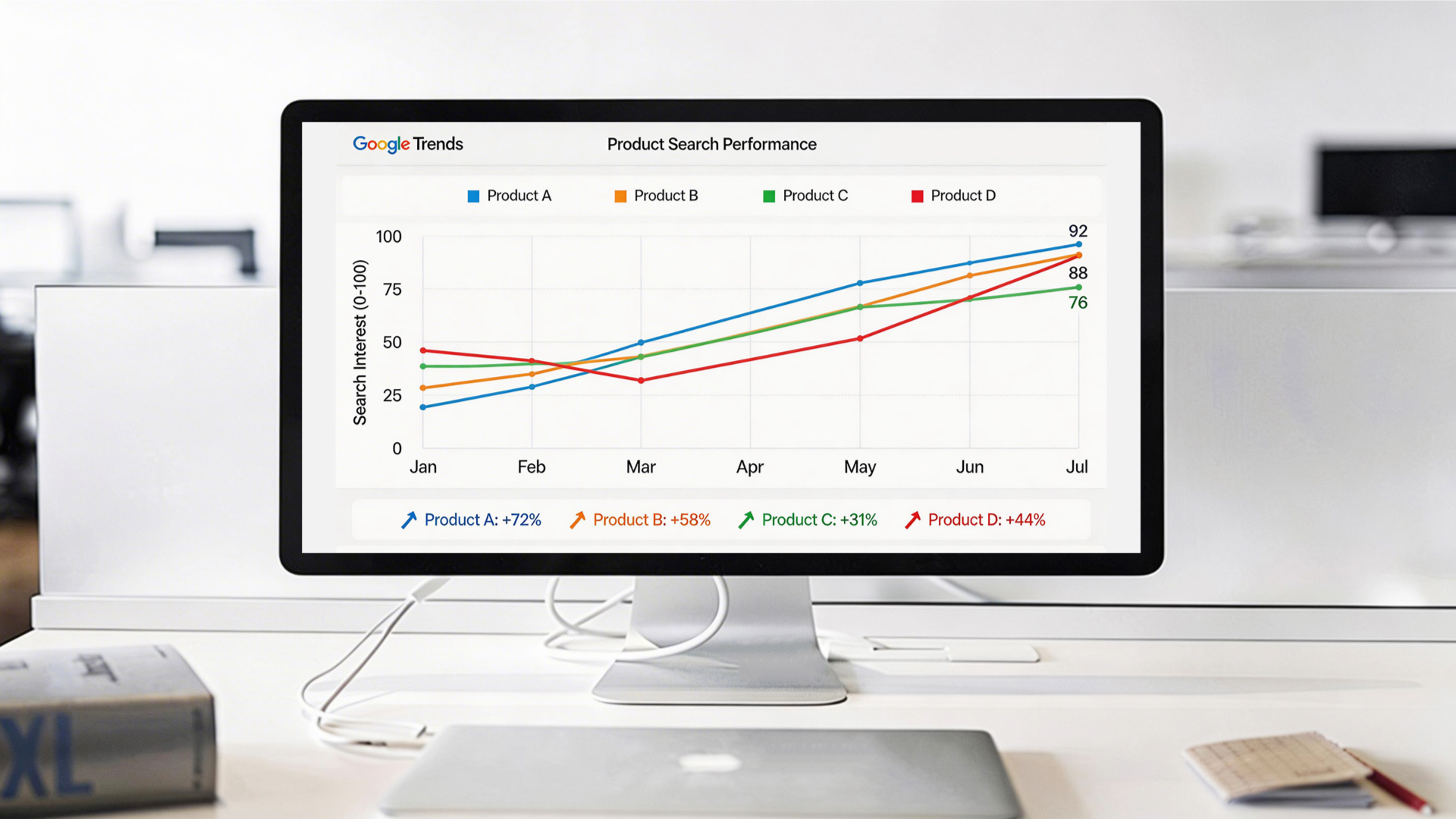
A simple way to validate demand is by checking search behavior.
Use tools like Google Trends to see if interest is stable or growing. Avoid products with sharp spikes and fast drops. Those are usually short-lived trends.
Look for:
● Consistent upward or steady interest over time
● Seasonal patterns you can plan around
● Multiple related keywords gaining traction
Example: instead of searching “pet toy,” try niche angles like “interactive dog toy” or “slow feeder bowl.”
This is where many sellers miss opportunities. The money is in specific use cases, not generic products.
Step 2: Validate With Real Marketplaces

Once you see demand, move to marketplaces where transactions actually happen.
Amazon, TikTok Shop, and Etsy are great validation platforms.
Check:
● Best seller rankings
● Number of reviews
● Review velocity, not just total count
A product with 5000 reviews built over 5 years is less interesting than one with 500 reviews in 2 months.
According to Jungle Scout, 66 percent of Amazon sellers are profitable within their first year, largely because they rely on data-driven product research.
This tells you one thing. Data beats intuition.
Step 3: Analyze Competitors Like a Marketer

Do not just check if a product is selling. Understand how it is being sold.
Go deep into competitor stores and ads.
Focus on:
● Pricing strategy
● Offer structure, such as bundles or discounts
● Creative angles in ads
● Customer pain points in reviews
Customer reviews are especially valuable. They literally tell you how to position your product.
For example, if customers complain about durability, you can position your product as a premium, long-lasting version.
This is how you differentiate without inventing a new product.
Step 4: Use Social Media as a Trend Engine
Social platforms are where trends start, not where they end.
TikTok, Instagram Reels, and YouTube Shorts are essential for product discovery.
Search for:
● “TikTok made me buy it”
● Product keywords plus “review”
● Viral product compilations
What you are looking for is repeat exposure. If multiple creators are pushing the same product and getting engagement, that is a strong signal.
A report by DataReportal shows that TikTok users spend an average of 95 minutes per day on the platform.
That level of attention means one thing. If a product is trending there, it can scale fast.
Step 5: Evaluate Product Economics
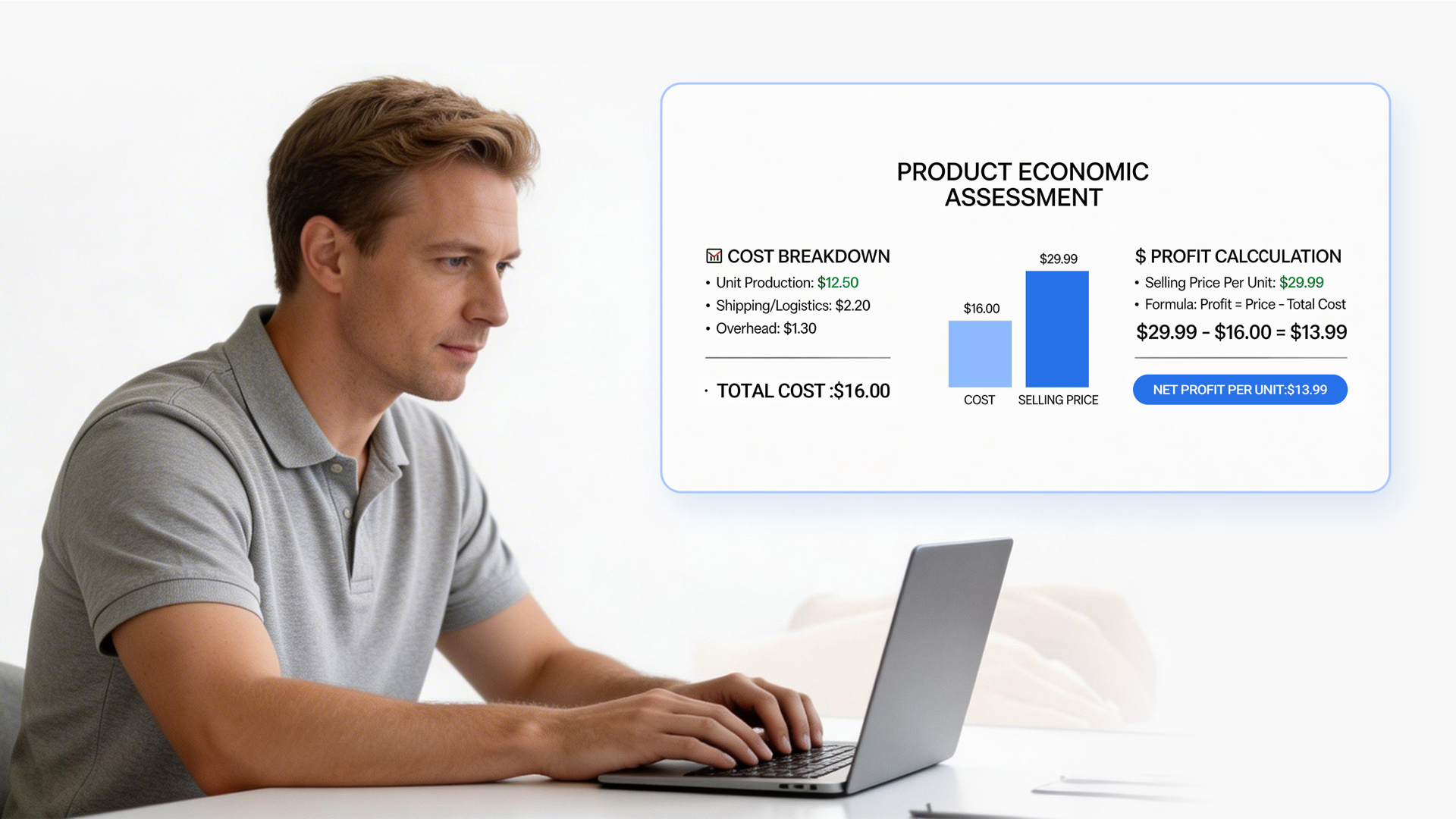
Before you commit, run the numbers.
A good dropshipping product typically has:
● At least 3x markup potential
● Lightweight and easy shipping
● Low return risk
● Clear problem solving angle
If your product costs $10, you should aim to sell it for $25 to $35.
Also factor in ad costs. If you are running paid traffic, your margin needs to absorb customer acquisition costs.
This is where many “winning products” fail. They look good on the surface but do not leave room for profit.
Step 6: Use the Right Tools to Move Faster
Manual research works, but tools help you scale and move faster.
Here are a few categories worth using:
Product research tools
Platforms like Minea or Pipiads help you track trending ads and products across social media.
Market data tools
Google Trends and Amazon Best Sellers help validate demand.
Competitor analysis tools
BuiltWith or SimilarWeb can show you what tools and traffic sources competitors use.
AI store builders like Genstore
Instead of jumping between tools, you can use Genstore to go from product idea to live store quickly. This is especially useful if you are testing multiple products and need speed.The key is not using more tools. It is using the right combination to shorten your decision cycle.
Step 7: Use a Simple Research Template
To avoid overthinking, use a consistent framework every time you evaluate a product.
Here is a simple template you can follow:
Demand
Is search interest stable or growing
Validation
Are people already buying it on major platforms
Competition
Can you differentiate positioning or offer
Trend signal
Is it gaining traction on social media
Economics
Does pricing leave enough margin after adsIf a product checks most of these boxes, it is worth testing.
Why Genstore Gives You the Dropshipping Edge
What most sellers struggle with is not finding ideas. It is turning those ideas into live stores fast enough to test.
This is where your workflow either slows you down or gives you an edge.
Genstore is built for exactly this stage. Instead of juggling multiple tools for research, store setup, product pages, and content, you can go from product idea to a ready-to-sell store in one flow.
You can quickly turn a trending product into a storefront, generate product pages with AI, and push content directly to social channels. That speed matters, because in dropshipping, timing often decides whether you catch a trend early or miss it completely.
More importantly, it lowers the cost of testing. Instead of spending days building one store, you can test multiple products in the same time frame and double down on what actually works.
Final Thoughts
Dropshipping is no longer about finding a random product and hoping it goes viral.
It is about speed, validation, and positioning.The faster you can identify demand, validate it, and launch a store, the higher your chances of success.
That is why workflows matter more than tools. A clear system will outperform guesswork every time.
If you are serious about building a dropshipping business, start by tightening your research process, then use Genstore to shorten the gap between idea and execution.
The faster you launch, the faster you learn. And in this space, that is the only real advantage.