Let’s be honest. Most people are still picking products like it’s 2018.
They scroll through TikTok, see a gadget with a few million views, and rush to slap it onto a generic store. Fast forward a week: the margins are gone, the competition is everywhere, and the product is already dead in the water.
That "spray and pray" approach worked when the market was inefficient. In 2026? It’s a fast track to burning your budget. Today, product research isn't a guessing game—it's a data problem.
According to McKinsey, companies that lead with data-driven decision-making are 23 times more likely to acquire customers efficiently. Even Shopify has noted that the most successful merchants have moved away from "gut feelings" and are leaning heavily on analytics and AI tools to steer their ship.
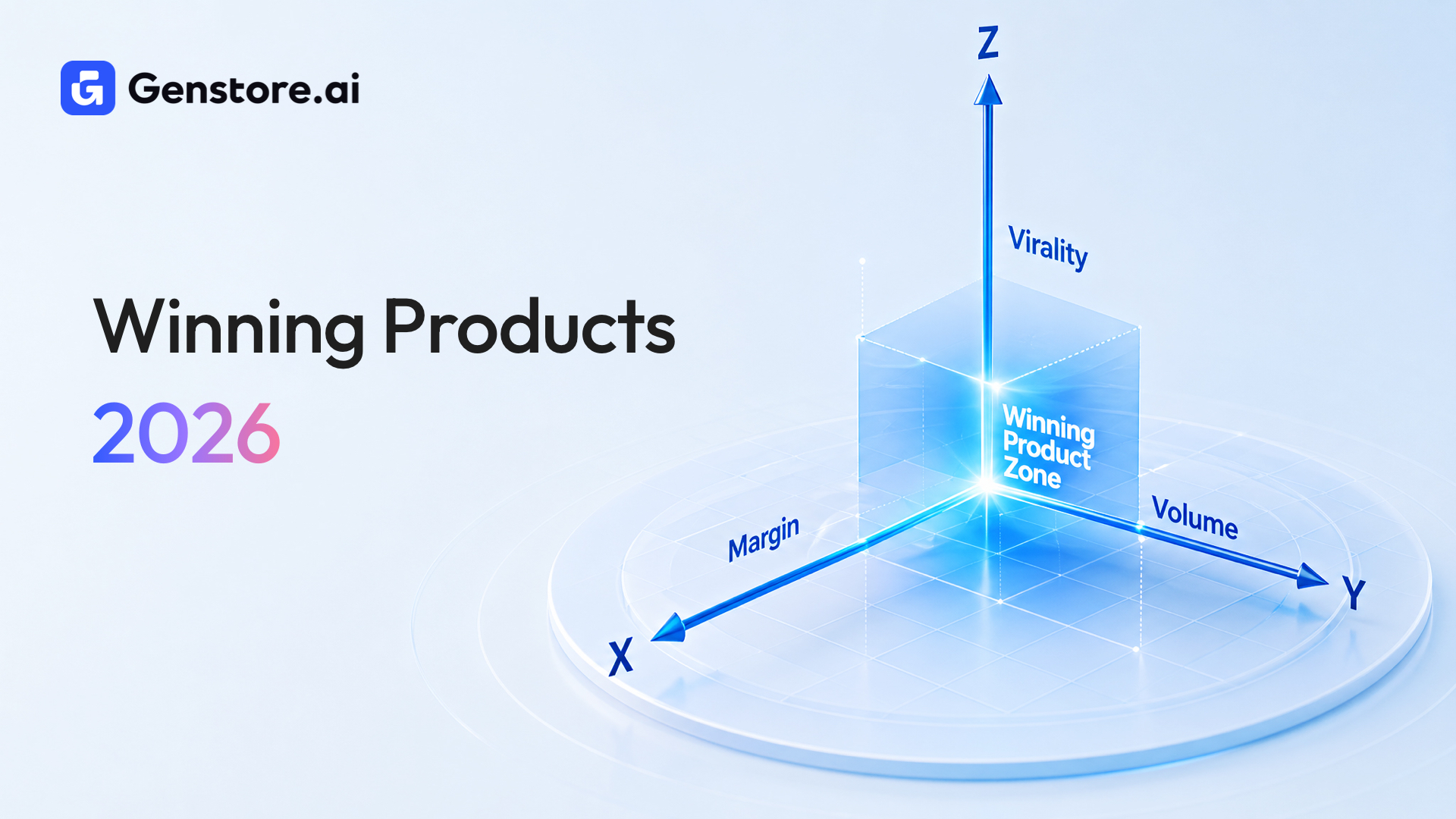
If you want consistent results, you need to stop chasing trends and start using a framework. I call it the 3D Framework: Margin, Volume, and Virality. The real winners sit exactly where these three circles overlap.
Dimension 1: Margin (The Profitability Filter)
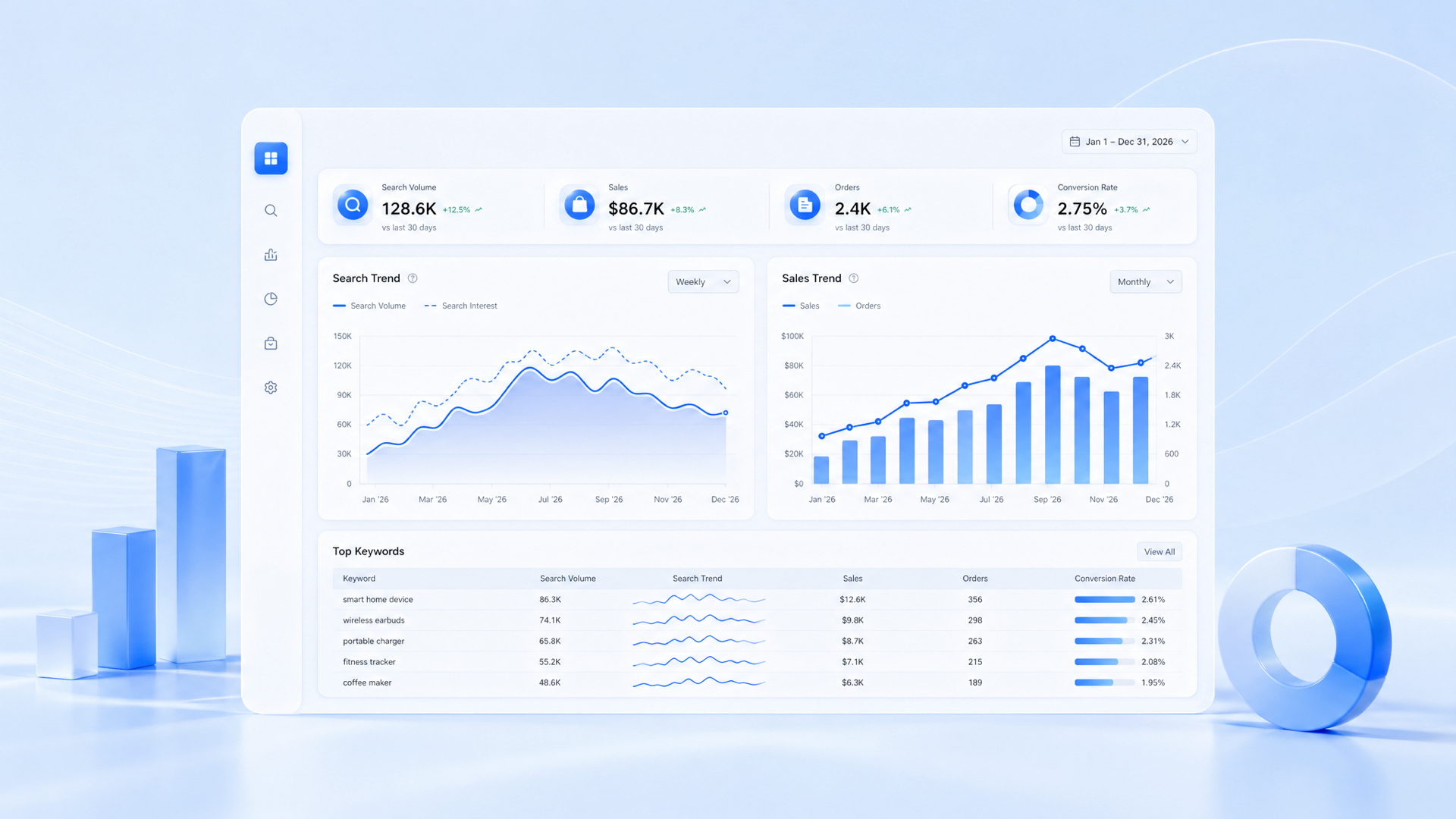
Start here. Because a "winning product" with thin margins is just a hobby that costs you money.
With ad costs continuing to climb—Statista reported another significant spike in digital ad spend in 2025—your product has to carry its own weight. If you can’t support at least a 3x markup after COGS (Cost of Goods Sold), you’re playing a dangerous game.
The Strategy
- The Sweet Spot: Look for items priced between $20 and $80. Below $20, your ad costs eat the profit; above $80, the impulse-buy friction gets too high.
- Perceived Value vs. Cost: You want items that look expensive but are cheap to source. Think "problem-solving gadgets" or "aesthetic home decor."
- Avoid the Commodity Trap: If a customer can instantly price-compare you against a giant like Amazon or Walmart for a basic phone case, you’ve already lost. You want products where the value is in the solution, not the specs.
Dimension 2: Volume (The Demand Reality Check)

A high-margin product that nobody wants is just a paperweight. You need proven, ongoing interest, not just a 48-hour viral spike.
We validate this by looking at "Demand Concentration." Ahrefs found that over 90% of web pages get zero organic traffic. That’s a staggering stat. It means you don't want to try and create demand from scratch; you want to step into a stream that’s already flowing.
The Validation Stack
- Google Trends: Is the interest stable, growing, or dying? Use Google Trends to filter out the "one-hit wonders."
- Sales Velocity: Check Amazon Bestseller rankings. If it’s moving there, it’ll move on TikTok.
- Keyword Intent: Are people actually searching for a solution to the problem this product solves?
Dimension 3: Virality (The Content Engine)
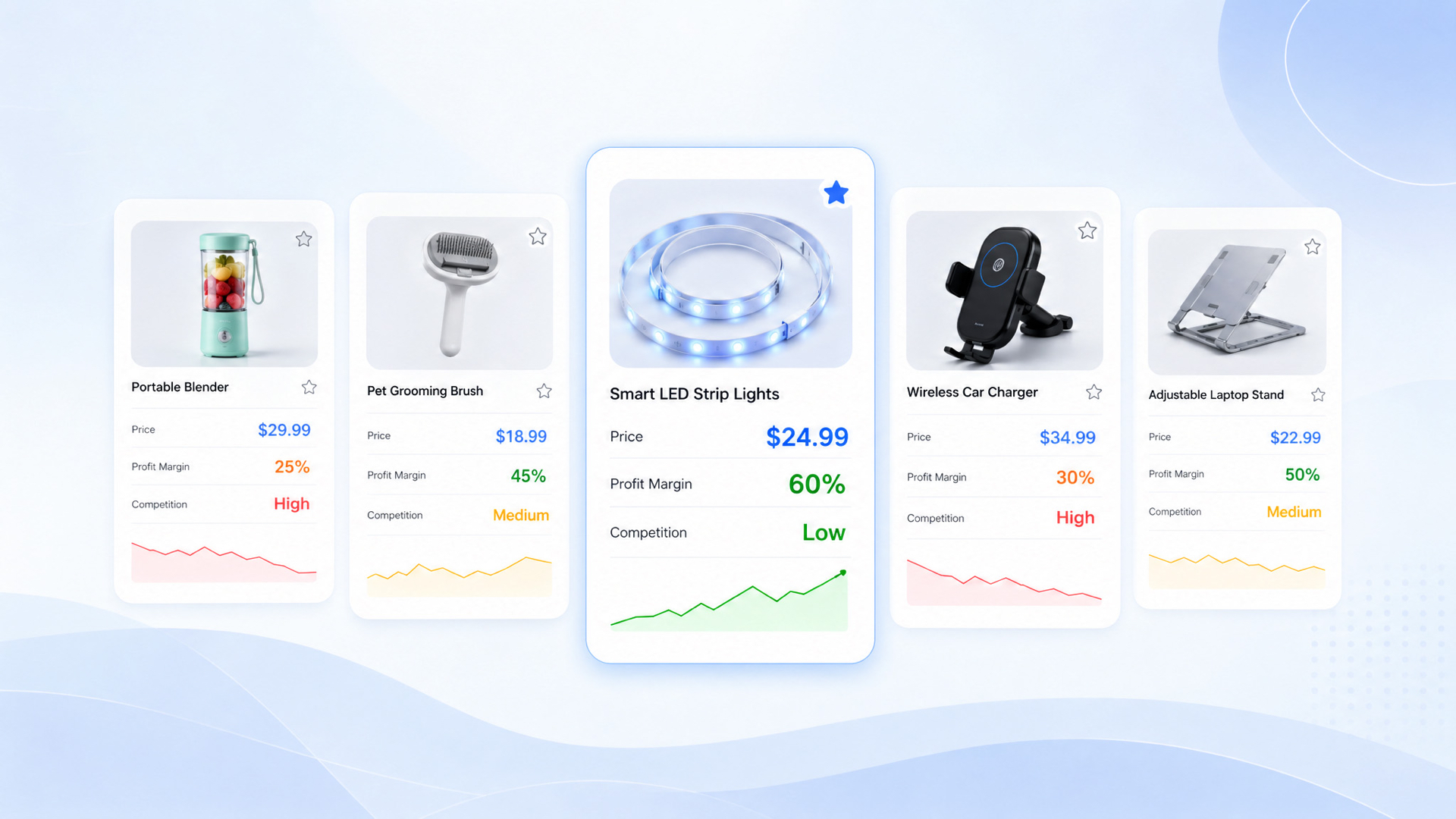
In 2026, a product isn't just an item—it’s a content asset.
If a product doesn't look interesting in a 10-second vertical video, it’s going to be an uphill battle to scale. HubSpot reports that short-form video is delivering the highest ROI of any content format this year. If your product is "boring" on camera, your CAC (Customer Acquisition Cost) will bankrupt you.
What makes a product Viral-Friendly?
- The Visual Hook: Does it have a clear "before and after"? (e.g., a cleaning tool that actually works, or a posture corrector that visibly shifts someone's frame).
- The Satisfying Moment: Think of those ASMR-style kitchen gadgets or high-utility home hacks.
- The Rule of Three: If you can’t immediately think of three different video hooks for a product, keep looking. It’s probably a dud.
How to Spot "Hidden" Opportunities
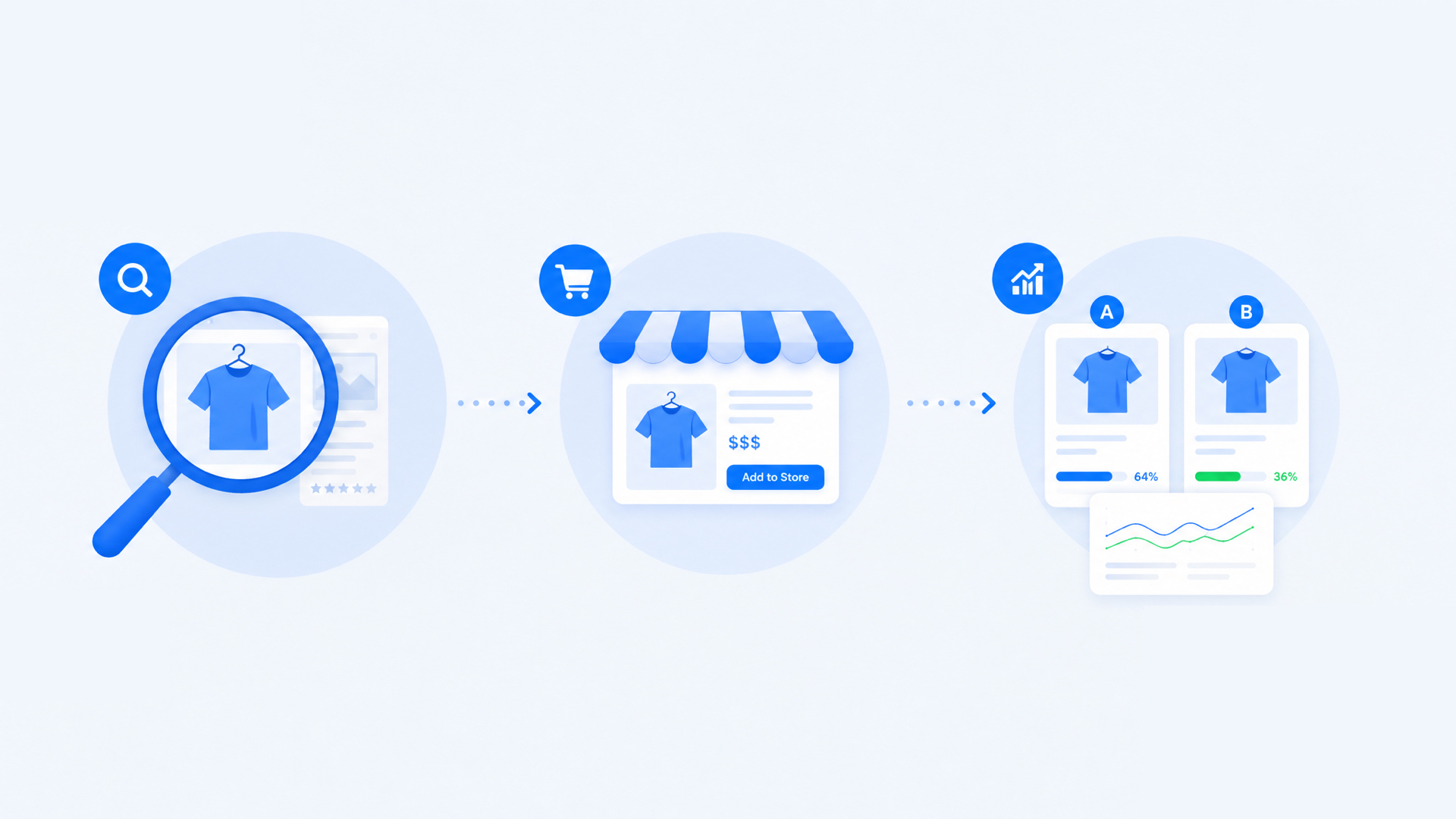
Most people are searching where everyone else is searching. That’s why everyone is selling the same neck massager. To find the real gold, you need to look for Emerging Patterns, not just "Trending Products."
Instead of looking at what people are buying, look at what they are complaining about.
- Niche Communities: Spend an hour on Reddit or in specialized Facebook groups. What are the recurring headaches?
- AI Aggregation: Use AI-native tools to scan signals across multiple channels simultaneously. Shopify’s latest AI integrations are now helping merchants spot these patterns weeks before they hit the mainstream.
- Content Sentiment: Look for high engagement on "unboxing" or "problem-solving" videos in obscure niches.
The goal isn’t to be the very first person to sell a product—it’s to be the first person to sell it with superior data and execution.
Red Flags: When to Walk Away
Avoiding a bad product is just as important as finding a winner. If you see these signs, walk away:
The Creative Fatigue Wall
If every ad for the product looks identical and has been running for months, the audience is likely burnt out.
Logistics Nightmares
Heavy, fragile, or oversized items. Shipping costs in 2026 are too volatile to gamble on "difficult" atoms.
The Brand Giants
If a category is dominated by a household name with a massive loyalty program, don't try to out-spend them. Find a sub-niche they’ve ignored.
The Winning Product Checklist
Before you drop a single dollar on ads, run your product through this high-performance filter.
Lightweight Logistics
You want items that are easy to ship and have low return rates. Keeping your "atoms" light keeps your margins heavy.
High Functionality
The product must solve a specific, painful problem. "Nice-to-haves" struggle in a tight economy; "need-to-haves" fly off the shelves.
Scroll-Stopping Visuals
It needs that "visual magic" for short-form video. If it doesn’t stop the thumb within the first two seconds, your ad budget is as good as gone.
Upsell Potential
Winning is about Average Order Value (AOV). Choose products that you can easily bundle with two or three complementary items to maximize every click.
From Research to Execution
Finding the product is only 50% of the battle. The other 50% is speed to market. In a world where trends move at the speed of a swipe, you can't spend three weeks setting up a store.
This is where AI-native platforms like Genstore become your unfair advantage. They compress the workflow—moving you from a validated data point to a live, optimized store in a fraction of the time. For beginners, this removes the "technical tax." For pros, it allows you to test 5x more products with the same amount of effort.
Final Take
Winning products in 2026 aren't discovered by luck. They sit at the intersection of fat margins, proven demand, and viral potential.
If you rely on your "gut," you’ll always be a step behind. If you rely on the data, you give yourself a repeatable edge. Stop chasing the "next big thing" and start building a system that finds it for you.
The data is there. The tools are ready. Now, go find your winner.